Understanding Food Labels Without the Confusion
Decode serving sizes, ingredients, and nutrition facts with simple steps. Learn to spot added sugars, misleading claims, and choose better-for-you foods.
Why Food Labels Matter: Food packaging can be noisy, but labels translate that noise into facts you can use. The front of a package often highlights enticing claims, while the back panel delivers the measurable details that matter. Focus on the Nutrition Facts, Ingredients, Allergen statements, and % Daily Value. The %DV shows how a nutrient contributes to a general daily pattern, helping you gauge whether a food is high or low in something. Treat bold front claims as invitations to investigate rather than conclusions. When you understand serving size, calories, macronutrients, fiber, added sugars, sodium, and fat types, you can match choices to goals like steady energy, appetite control, and heart-conscious eating. A label is not a grade; it is a map. Used well, it can help you avoid surprise sugar bombs, portion traps, and clever marketing spin. The aim is not perfection but patterns that suit your lifestyle, budget, and preferences over time.
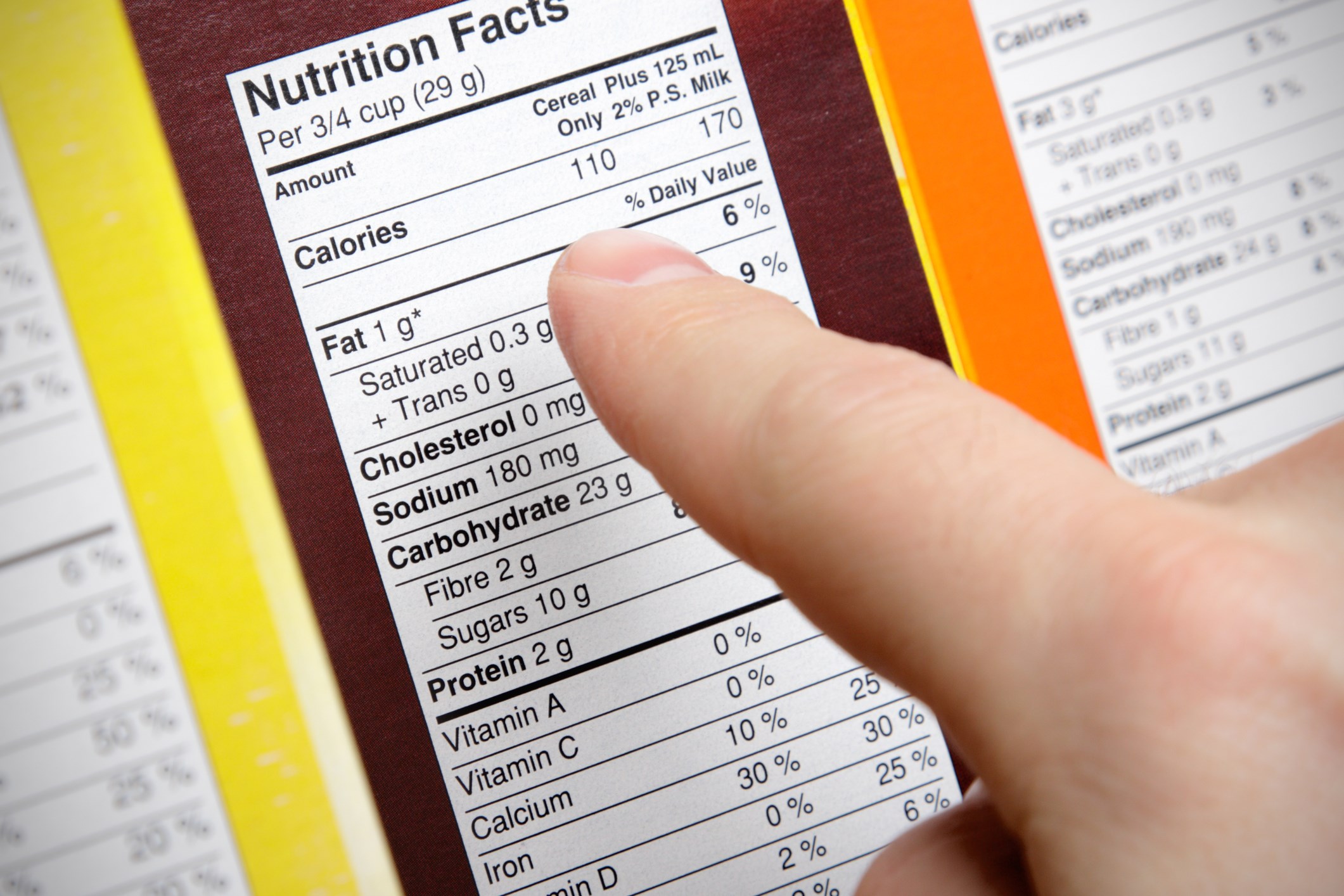
Serving Size vs Your Portion: The serving size is the anchor of the label, and it might not match the portion you actually eat. Values for calories, fats, sugars, and sodium are listed per serving, so if you eat more or less, the math changes. Check both the household measure and the grams to understand density. A small bowl of cereal, a handful of chips, or a cluster of granola can easily exceed a listed serving, while some items hide multiple servings in a container that looks single-serve. Scan for servings per container to avoid accidental doubling or tripling. For liquids, note that a tall bottle might contain more than one serving, and creamy drinks can pack more energy than expected. When comparing brands, standardize your portion in grams for a fair match. If you routinely eat a different amount than the label shows, mentally adjust the %DV and nutrients to reflect your real-world plate.
Calories and Macronutrients Made Clear: Calories represent energy; macronutrients describe where that energy comes from. Carbohydrates, protein, and fat each influence fullness, performance, and comfort in different ways. Carbs include fiber and sugars, and labels now distinguish added sugars from those naturally present in foods like fruit or milk. Choosing options with more fiber and less added sugar generally supports steadier energy and satisfaction. Protein supports fullness and tissue repair; pick amounts that match your needs across the day rather than relying on one heavy hit. For fats, look at fat types: more unsaturated fats from nuts, seeds, fish, and plant oils, and less saturated and minimal trans fats is a common pattern. Remember that %DV helps you see whether a food is high or low in a nutrient, but it is context, not command. A granola bar and a yogurt might share similar calories, yet differences in fiber, protein, and sugars will change how each fits your plan.
Reading the Ingredients List Like a Pro: The ingredients list is ordered by weight, so the first few items reveal the product's identity. Prefer foods where whole foods top the list, such as whole oats, beans, or vegetables. Be mindful of sugar aliases like cane sugar, honey, syrups, molasses, dextrose, maltose, and fruit juice concentrate; several sweeteners sprinkled throughout the list can add up. For grains, look for whole grain terms rather than refined flour. With oils, note whether you see options like olive, canola, or high-oleic varieties versus highly saturated choices. Allergen information helps those with sensitivities quickly identify milk, eggs, nuts, soy, wheat, or other common triggers. Long lists are not automatically bad; some names reflect vitamins, minerals, or functional additives that support texture or freshness. If you see unfamiliar terms, consider the role they play and the overall pattern of ingredients rather than judging by length alone.
Decoding Claims and Additives Without Hype: Package claims can guide or mislead. Words like natural, wholesome, artisan, or chef-inspired are marketing language, not nutrient facts. Regulated terms such as low, reduced, or no added sugar have specific criteria, but even then you should verify with the Nutrition Facts. For example, a no added sugar product can still be high in natural sugars, and reduced sodium can remain salty relative to alternatives. Multigrain does not always mean whole grain, and light may refer to texture, taste, or color rather than calories. Regarding additives like preservatives, emulsifiers, stabilizers, and colorings, their presence does not automatically make a food unhealthy; they can improve safety and consistency. If you prefer simpler formulations, compare within a category to find versions that align with your comfort level. Let the panel, not the pitch, decide: scan serving size, added sugars, sodium, and fat types, then confirm the ingredients match your expectations.
A Simple Label Routine for Confident Choices: Build a quick routine you can repeat in seconds. First, check serving size and servings per container, then look at calories to see if a portion fits your plan. Next, scan protein, fiber, added sugars, sodium, and fat types. After that, confirm the ingredients support what you want, such as whole grains, minimal sweeteners, or oils you prefer. Compare similar items side by side using grams to level the playing field. In practice, that might mean picking a cereal with higher fiber and lower added sugar, choosing plain yogurt and adding fruit for sweetness, or selecting sauces with moderate sodium and fewer sweeteners. For snacks, nuts and seeds with simple seasonings can satisfy with protein and healthy fats. For breads, look for whole grain as the first ingredient. For drinks, unsweetened choices prevent stealth sugar spikes. Over time, this checklist becomes second nature, helping you shop smarter without overthinking every aisle.