The Basics of Balanced Nutrition Made Easy
Balanced nutrition is easier than you think: fill half your plate with plants, add lean protein, smart carbs, and healthy fats, then hydrate and plan ahead.
Foundations of Balanced Eating. Balanced nutrition is simpler than it seems when you focus on variety, moderation, and nutrient-dense choices. Aim to fill your plate with colorful whole foods that offer a mix of textures and flavors, because diversity brings a fuller range of nutrients. Think in broad, flexible building blocks rather than strict rules: abundant vegetables and fruits, a steady source of protein, smart carbohydrates, and healthy fats. This approach supports steady energy, clear thinking, and a stronger immune system without requiring complicated calculations. Culturally meaningful meals and personal preferences belong here, too, because sustainability depends on enjoyment. Build meals around foods you love, and adjust portions so you feel satisfied, not stuffed. Keep it practical with simple habits like preparing a few staples, assembling balanced snacks, and choosing foods that are minimally processed. When you see eating as a long-term relationship, you naturally prioritize nutrient density, balance, and consistency over quick fixes that rarely last.
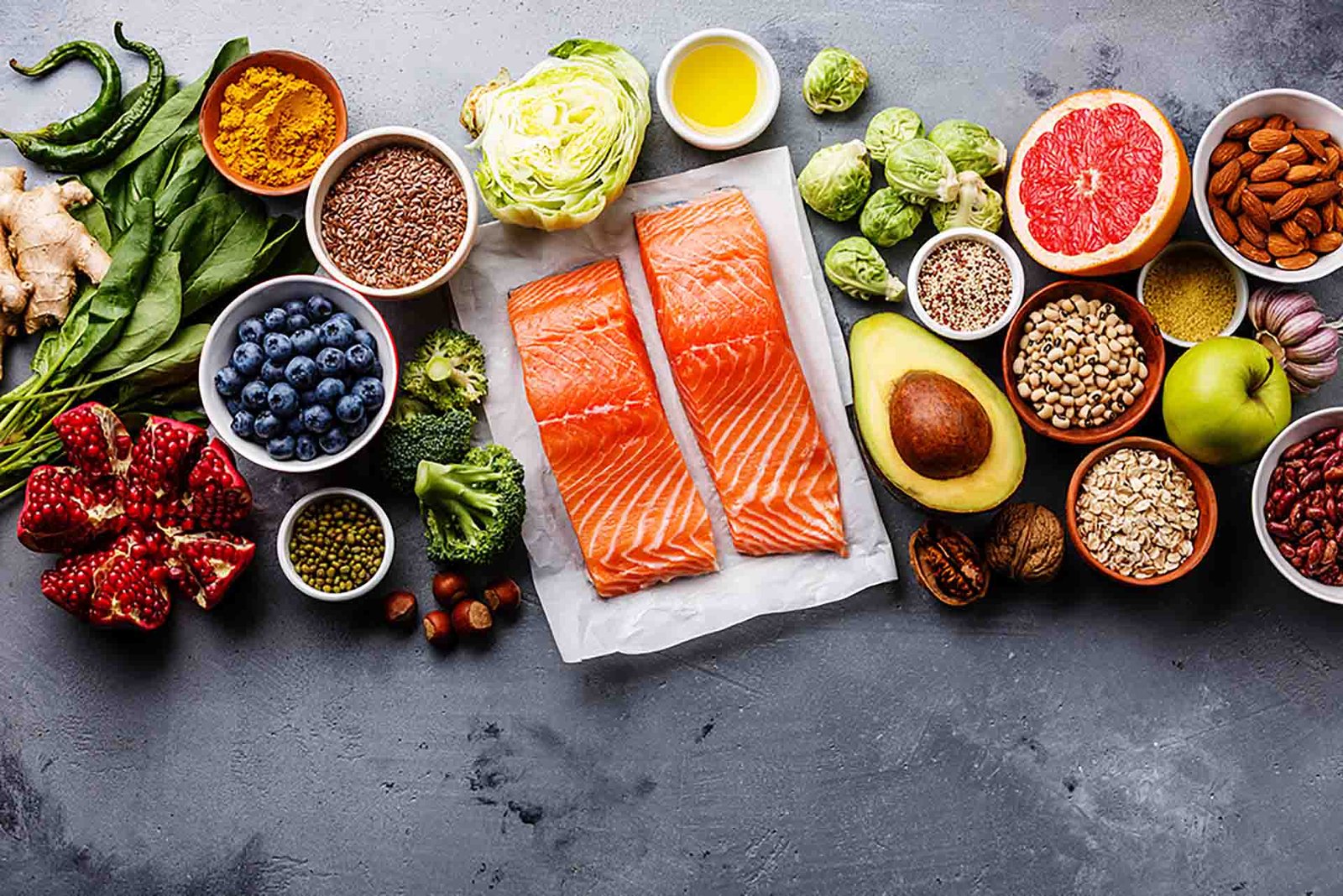
Macronutrients Made Simple. Macronutrients are your everyday fuel and building blocks, and each plays a distinct role. Protein supports muscle repair, hormones, enzymes, and satiety; include options like eggs, beans, lentils, yogurt, tofu, fish, or poultry based on your preferences. Carbohydrates are your primary energy source; focus on complex carbs such as oats, quinoa, brown rice, sweet potatoes, and fruit to support steady blood sugar. Fats help with nutrient absorption and hormone production; reach for healthy fats from olive oil, nuts, seeds, and avocado to keep meals satisfying. A practical plate might feature a generous serving of vegetables, a quality protein, and a portion of whole grains or starchy vegetables, anchored by a splash of healthy fat. This mix provides satiety, steady energy, and fewer cravings. Keep adjustments gentle: increase protein when you need more fullness, add fiber-rich carbs to fuel activity, and include fats to enhance flavor, texture, and nutrient absorption.
Micronutrients That Matter. While macros provide energy, micronutrients like vitamins, minerals, and phytonutrients power thousands of cellular processes. Prioritize nutrient-dense choices to cover essentials without obsessing over numbers. Leafy greens, colorful vegetables, berries, and citrus offer antioxidants and vitamin C for immune support and skin health. Beans, lentils, nuts, and seeds supply minerals such as iron, magnesium, and zinc that help with oxygen transport, muscle function, and recovery. Dairy or fortified alternatives can provide calcium for bone strength, while mushrooms, eggs, and fatty fish contribute vitamin D, depending on dietary choices. Herbs and spices add compounds that support overall wellness and make meals more enjoyable, encouraging consistent healthy eating. Rotate your produce to capture a wide range of benefits, cook with different methods to vary textures, and pair fats with vegetables to improve absorption of fat-soluble vitamins. By emphasizing variety, you help fill gaps naturally and support long-term vitality without relying on complex tracking.
Portion Control Without the Stress. Managing portion control and energy balance is easier when you tune into hunger and fullness cues. Slow down during meals so your brain has time to register satiety, and notice the difference between true hunger and habit-driven snacking. Use practical anchors: start with vegetables to add volume, include a palm-sized portion of protein, select a cupped-hand portion of complex carbs, and add a thumb-sized amount of healthy fats, adjusting as your activity and appetite change. Smaller plates can prevent mindless overeating, while mindful plating helps you visualize a balanced mix. If you tend to graze, structure meals and snacks so you are satisfied at predictable times. Remember, consistency matters more than a single indulgence; enjoy treats intentionally and return to your routine at the next meal. When portions align with your needs, you experience steady energy, better mood, and a sustainable path to nourishment.
Hydration and Fiber Fundamentals. Hydration supports digestion, circulation, temperature regulation, and cognitive clarity. Keep water nearby and sip regularly, using thirst, urine color, and energy levels as practical guides. During long, sweaty activities, consider beverages or foods that restore electrolytes, such as potassium and sodium, to maintain balance. Equally crucial is fiber, which comes in soluble and insoluble forms. Soluble fiber from oats, beans, apples, and chia can help manage blood sugar and cholesterol, while insoluble fiber from vegetables, whole grains, and nuts supports regularity. Fiber also feeds the gut microbiome, promoting digestion, immune health, and satiety. Build meals with fiber-rich plants, and pair them with fluids to keep everything moving comfortably. If your intake is low, increase gradually to reduce discomfort. Replacing sugary drinks with water, sparkling water, or herbal infusions and prioritizing high-fiber foods makes a tangible difference in energy, cravings, and long-term wellness.
Planning, Shopping, and Cooking Smart. A little meal planning reduces stress, saves money, and keeps healthy choices within reach. Start by stocking pantry staples like whole grains, beans, spices, nuts, and canned fish or tomatoes, which can anchor fast, nourishing meals. Batch-cook proteins and grains, roast a tray of mixed vegetables, and prep versatile sauces to assemble balanced bowls, salads, and wraps in minutes. Practice label reading to spot added sugars, excessive sodium, and low-quality oils, and try to choose minimally processed options when possible. Build a flexible lineup of go-to breakfasts, portable snacks, and quick dinners so you can pivot on busy days. Cooking methods matter too; roasting, steaming, grilling, and sautéing with modest amounts of healthy oils preserve flavor and nutrients. Keep your kitchen set up for success with a sharp knife, a sturdy pan, and containers for leftovers. These small systems compound, turning good intentions into everyday wins.
Mindful Habits and Lasting Consistency. Sustainable nutrition grows from habits, not perfection. Practice mindful eating by eliminating distractions when you can, appreciating flavors, and checking in with fullness before reaching for seconds. Plan for social meals and celebrations by balancing the rest of your day with vegetables, protein, and hydration, and enjoy special foods without guilt. Support your eating routine with sleep, movement, and stress management, since these influence appetite, cravings, and recovery. Use simple course corrections instead of all-or-nothing thinking: add a piece of fruit, upgrade a snack with nuts or yogurt, or swap refined grains for a whole-grain option. When setbacks happen, respond with self-compassion and resume your next balanced meal, knowing progress beats perfection. Over time, these small actions shape a resilient, flexible approach to balanced nutrition, making it easy to nourish your body, keep energy steady, and feel confident in your everyday choices.