Sustainable Cleaning Tips for a Greener Home
Make your home sparkle sustainably with DIY cleaners, reusable tools, and mindful routines that cut chemicals, save water, and reduce waste every day.
Foundations of Sustainable Cleaning
A greener home starts with thoughtful choices about what you bring under your roof and how you use it. Begin by taking stock of supplies and finishing what you have, then transition toward biodegradable formulas with short, understandable ingredient lists. Look for concentrated and refillable options that cut plastic and transport emissions, and choose fragrances derived from essential oils rather than synthetics. Prioritize durable tools like microfiber or tightly woven cotton cloths; wash microfibers in a filter bag to reduce shedding. Rely on cold water when possible, and let dilution do the heavy lifting to minimize product use. For everyday jobs, reach for simple standbys such as baking soda, white vinegar, and castile soap. Always match the solution to the surface—avoid vinegar or acids on natural stone, unfinished wood, or delicate finishes. With a small set of versatile, low-tox products, you can streamline storage, save money, and maintain a healthier living space that supports clean indoor air and a lighter environmental footprint.
DIY Solutions and Safe Ingredients
Homemade cleaners can be effective, affordable, and gentle on your home. An easy all-purpose spray combines water with white vinegar infused with citrus peels for a fresh scent; use it on sealed countertops, appliance exteriors, and glass, while avoiding natural stone. For scouring sinks, tubs, and stovetops, mix baking soda with a little castile soap to form a creamy paste that lifts grime without scratching. To deodorize carpets and shoes, sprinkle baking soda, let it sit, then vacuum thoroughly. For wood, a light polish made from olive oil and a splash of vinegar can revive luster on sealed surfaces. If you enjoy scent, add a few drops of essential oils, but mind pets and sensitivities, and always patch test first. Never mix vinegar with bleach or strong oxidizers, and keep good ventilation whenever you clean. Store DIY solutions in labeled, reusable bottles, note the recipe and date, and make smaller batches so they stay fresh and effective.
Tools, Techniques, and Time-Saving Habits
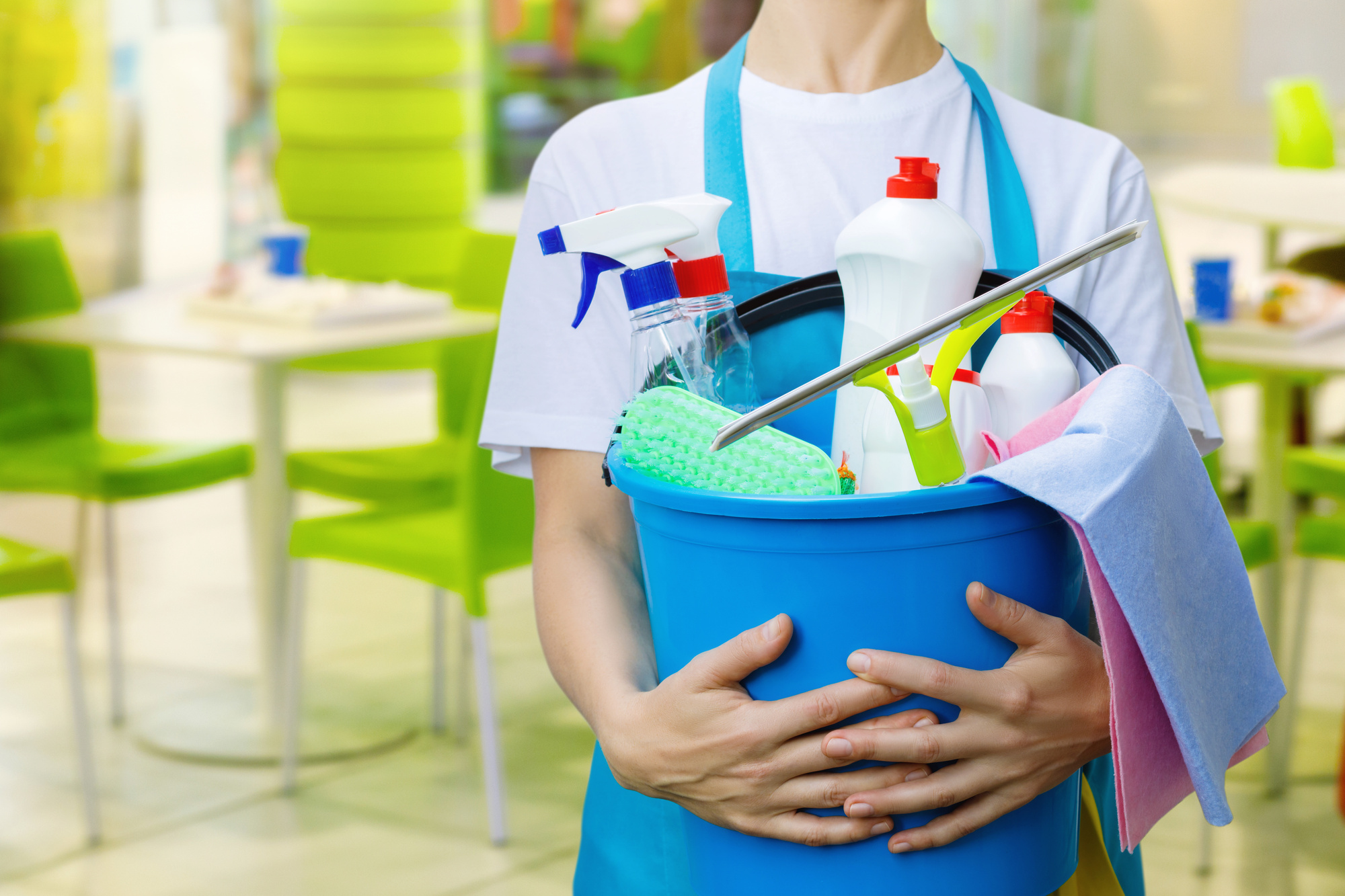
The smartest sustainable cleaning reduces effort, time, and waste. Build a compact kit: a scraper, soft brush, squeegee, spray bottles, a mop with washable pads, and a vacuum with a HEPA filter. Work top-to-bottom and left-to-right so dust falls and you never clean the same spot twice. Use the two-bucket method for floors—one for soapy water and one for rinse—to keep dirt where it belongs and extend mop life. Let products rest for proper dwell time so they break down messes without extra scrubbing. Preventive habits help most: a shoe-free entry, catch mats at doors, daily shower squeegeeing, and quick wipe-downs of high-touch areas. In the kitchen, cover pans to limit splatter and clean as you cook. For sticky residues, a little cooking oil loosens labels and gum before washing with castile soap. Keep microfiber and cotton cloths color-coded by task, launder them together, and skip fabric softener so fibers stay absorbent and effective.
Water and Energy-Wise Practices
Sustainability shines in the laundry room and beyond. Choose cold wash settings for most loads, pre-treat stains, and run full loads to conserve resources. When possible, soak heavily soiled items rather than running extra cycles, and spin at higher speeds to reduce drying time. Embrace air-dry methods: line drying or using a rack freshens fabrics, preserves elasticity, and saves energy, while sunlight can help naturally brighten light-colored textiles. In the kitchen, scrape plates instead of rinsing, then use the dishwasher on eco mode and air-dry. For floors and grout, steam can lift grime with only water, reducing reliance on extra chemicals. Collect leftover dehumidifier or rainwater for mopping non-porous surfaces, and choose greywater-aware soaps if you repurpose water for plants, following local guidance. Fix drips, fit aerators, and clean with small, targeted amounts of solution rather than flooding surfaces. Small shifts across appliances and habits add up to substantial savings in water, energy, and wear.
Creating a Low-Waste Cleaning Routine
A low-waste routine supports both home health and planet health. Buy in bulk when practical, prioritize refill stations, and upcycle sturdy jars into labeled cleaning containers. Choose long-lasting gear—glass or stainless spray bottles, wooden brushes with replaceable heads, and cloths that endure many washes. Consider bar soap for dishes and solid laundry concentrates to cut plastic. Compost plant-based scrubbers like loofahs when worn out, and avoid tossing partially used products by planning realistic quantities. Build a simple checklist and use habit stacking—wipe the bathroom sink after brushing, squeegee the shower after bathing, tidy the entry when you take off shoes. Keep supplies where you use them to reduce steps, and involve the household with age-appropriate tasks. Store concentrates safely, add clear labeling, and note any pet-safe or child-safe guidance. By aligning purchases, storage, and routines, you create a calm, uncluttered system that reduces waste, protects indoor air, and makes everyday cleaning easier to maintain.