Solo Travel Confidence: Staying Safe and Social
Master solo travel with smart prep, streetwise habits, and friendly tactics that keep you safe while opening doors to authentic connections.
Mapping Your Confidence Before You Go
Solo travel confidence begins long before you board a plane. Start with thorough preparation: research neighborhoods, customs, weather patterns, and transportation norms so your itinerary balances flexibility with structure. Identify a few anchor activities each day and add generous buffers to reduce rushing. Create a safety net by sharing your route and emergency contacts with someone you trust, and store scans of key documents in secure, offline access. Download offline maps, translation tools, and local transit guides so you can function without constant connectivity. Set personal boundaries about where and when you move around, and decide in advance what you will decline. Pack light and intentional, favoring neutral clothing that helps you blend in and comfortable shoes for mobility. Build a simple checklist—chargers, medication, copies of IDs, basic first aid, and a backup payment method—to lower stress. The goal is clarity: knowing what matters and what can wait empowers you to navigate surprises with calm, grounded confidence.
Reading a Destination's Rhythm Safely
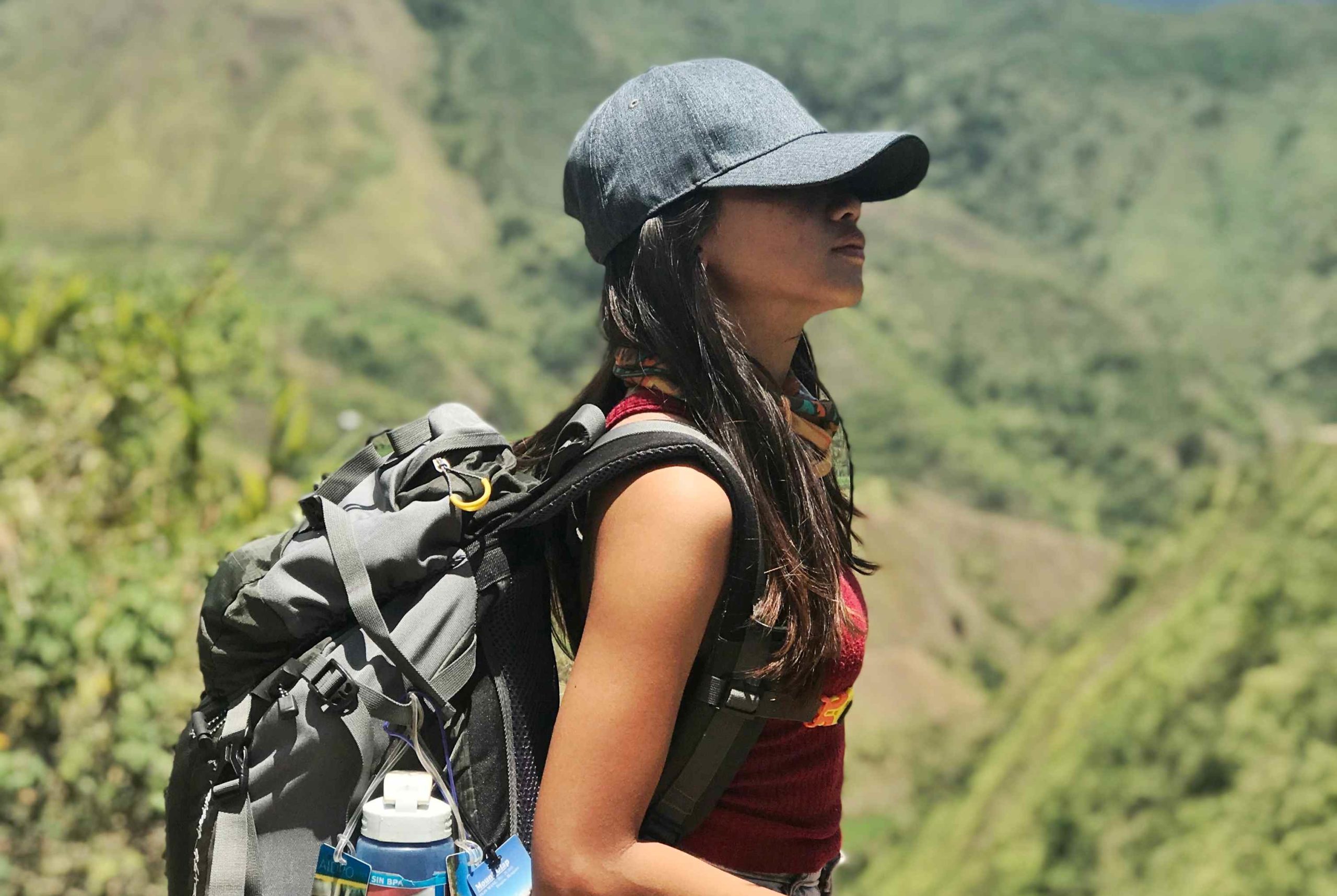
When you arrive, tune your senses to the destination's rhythm. Practice situational awareness by periodically scanning your surroundings, noting exits, landmarks, and the flow of people. Aim to blend in with local dress and routines, and carry yourself with purposeful stride to deter unwanted attention. Prioritize well-lit areas and lively streets at night, and lean on reputable public transport or official taxis from known stands. Ask accommodation staff for neighborhood tips, typical fares, and common scams to avoid; frontline workers often know which corners to skip after dark. If a street feels off, reroute without hesitation—trust your instincts over any sunk-cost feeling. Keep valuables distributed rather than concentrated in one bag, and avoid conspicuous displays of electronics. Build checkpoints into your day, such as returning to a familiar cafe or plaza, to recalibrate and rehydrate. By reading the cues of place and time, you stay both spontaneous and strategically safe.
Smart Tools and Habits on the Move
Technology can amplify independence when used wisely. Enable two-factor authentication and a strong passcode so your phone remains a secure hub for bookings and navigation. Use location sharing with one trusted person and adopt simple check-in habits, like dropping a quick message when you arrive and depart. Carry a compact portable charger and a short cable to keep your phone online in transit hubs. Photograph luggage contents and IDs for fast backup, and use discreet luggage locks or anti-theft features without advertising them. Keep a small decoy wallet with minimal cash while your main cards stay concealed. Save key phrases in your notes, along with addresses in the local language for drivers. Rotate payment options across cards and mobile pay to reduce single points of failure. Hydration, snacks, and a lightweight layer keep your energy steady so decisions stay sharp. Tools matter, but consistent, repeatable habits elevate your safety from reactive to proactive.
Social Without Compromise
Being social on the road can be both enriching and safe with clear boundaries. Favor public spaces for new connections: hostel common rooms, reputable cafes, museums, group classes, or daytime tours. Choose group activities that align with your interests—food walks, hiking meetups, or creative workshops—and let conversation grow naturally around shared experiences. Share your general background, not your room number or exact plans, and keep valuables out of sight. Pace alcohol intake and always maintain an exit strategy, such as a preloaded rideshare option, a known bus stop, or a polite script to bow out. If someone pushes your limits, a firm no is sufficient; you do not owe long explanations. For evenings out, let a friend or staff member know your destination, and consider a casual buddy system with another traveler. Authentic connections thrive when your safety is non-negotiable; the right people respect your limits and meet you there.
Communication and Cultural Fluency
Solo travelers thrive when they invest in cultural fluency. Learn polite phrases—hello, please, thank you, excuse me, and help—to open doors and reduce friction. Pay attention to nonverbal communication: personal space, eye contact, gestures, and tone can signal respect or misstep. Dress considerations and modesty may vary by context, especially in religious or traditional sites; a lightweight scarf or extra layer can offer quick adaptability. Understand tipping, queue etiquette, and dining norms so you navigate with ease rather than uncertainty. Ask permission before photographing people, and observe how locals greet, negotiate, or decline—mirroring respectful patterns helps you blend in. When language barriers arise, keep sentences simple, pair words with friendly gestures, and confirm understanding. Write addresses clearly for drivers and keep maps ready. Approach every interaction with respect, curiosity, and patience. Effective communication is more than fluency; it is empathy in action, smoothing your path and keeping you both safe and welcome.
Resilience, Reflection, and Growth
Confidence is a muscle built through resilience. Expect a few snags—delays, lost turns, sudden rain—and meet them with problem-solving rather than perfectionism. Carry a simple Plan B and C: extra cash for emergencies, a nearby accommodation option, and a flexible route to get you back on track. Protect your energy with steady meals, hydration, and sleep, since clarity depends on well-being. Practice reflection each evening: note what went well, what felt uneasy, and how you might tweak tomorrow. Celebrate small wins—the conversation you initiated, the museum you navigated, the quiet boundary you upheld—because these build self-reliance. If stress spikes, slow down your itinerary, pick one meaningful activity, and give yourself permission to rest. Confidence grows with each cycle of challenge, adjustment, and success. With a grounded mindset, you transform uncertainty into curiosity, and the world becomes not just navigable, but welcoming, one intentional step at a time.