Scenic Train Routes for Slow Travel Lovers
From Alpine peaks to coastal cliffs, discover slow, scenic train journeys worldwide, plus planning tips to savor the ride, not just the destination.
Unhurried Journeys on Steel Rails — For lovers of slow travel, few experiences rival the gentle rhythm of a train easing through wide-open countryside. The window-seat perspective invites lingering attention: fields unfolding, river bends glinting, villages appearing and receding like chapters in a novel you can actually watch. Onboard, the journey becomes the destination, with room to stretch, read, journal, or simply gaze. The smaller footprint of rail feels low-impact, and the continuity of tracks links you to a living tapestry of stations, depots, and stories. You can tune into the local rhythm by pausing for market lunches, then rejoining a later departure, or by choosing regional lines that linger in valley towns. Conversations in the corridor offer hints about a scenic bridge or a bakery by the next platform. It is unhurried, deliberate movement: less about ticking off landmarks, more about letting landscapes, accents, and aromas settle in at their own train-car pace.
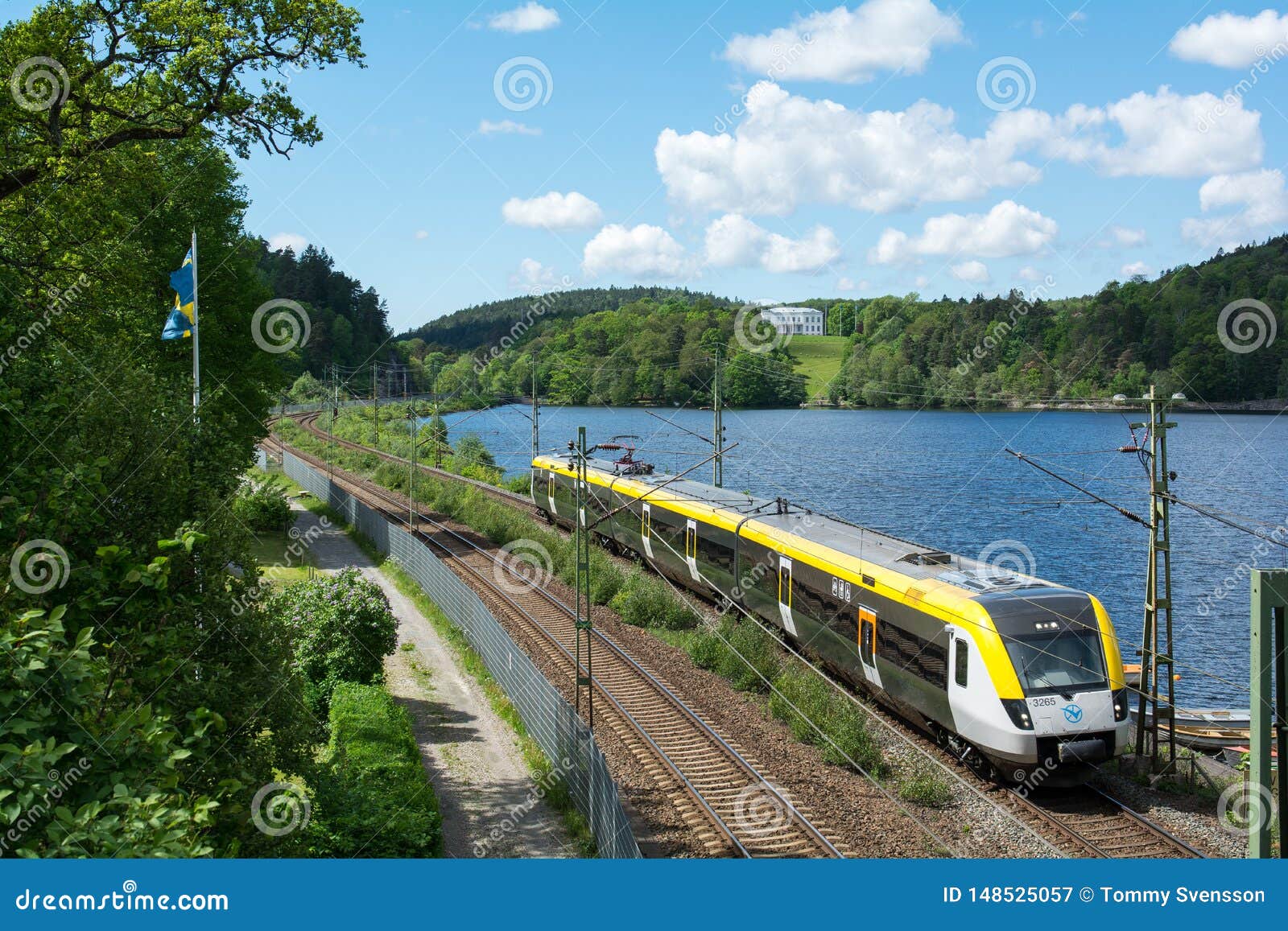
Coastal Curves and Clifftop Carriages — When rails hug the shoreline, coastal scenery becomes a companion as constant as the tide. Trains slip through cliff tunnels, skim sea cliffs, and pass salt-streaked stations where fishing nets dry in the sun. The surf appears and vanishes in coves, then returns in grand panoramas where panoramic windows frame rugged headlands and calm harbors dotted with sailboats. Time your ride to catch tidal light: cooler blues in the morning, warm glows near sunset, both perfect for photography and quiet reflection. Sit on the seaward side if possible, and plan stops in small ports for a bowl of chowder or grilled sardines at a market stall. Between seaside towns, look for lighthouses, coastal footpaths, and beach access steps a short stroll from platforms. The beauty of rail is its natural cadence; you glide from cove to cove without traffic stress, savoring briny breezes, gull calls, and the satisfying click and sway of wheels along the water's edge.
Across Alpine Ridges and Glacier Valleys — Mountain railways celebrate alpine engineering and awe in equal measure. Look for routes that cross high viaducts, loop through spiral tunnels, and climb into crystalline glacier valleys where waterfalls stitch cliffs and meadows ring with cowbells. The pace slows as gradients steepen, giving you time to spot marmots on rocky slopes or tiny chapels tucked into greenery. In panorama cars, vast skylines sweep past; in classic coaches, wood trim and brass fittings add old-world charm. Disembark in picture-book stations for short walks to suspension bridges, cheese dairies, or forest trails. Dress in layers—mountain weather can swing fast—and bring a lightweight scarf to temper drafts near open vestibules. Photographers can minimize reflections by placing the lens close to the glass; on some lines, windows lower for unobstructed shots. This is the realm of patient travel, where each summit crossing and valley glide feels earned, and every vista rewards your commitment to slow, scenic movement.
Tropical Highlands and Jungle Lines — In warmer latitudes, rails weave through tropical forests and misty plateaus, unveiling tea plantations, terraced hillsides, and swathes of rainforest studded with orchids. The speed drops on tight curves, which suits watchers of monkeys leaping treetops and farmers tending spice gardens. Carriages fill with monsoon mists and birdsong; station platforms become street-food stations, perfumed by spiced fritters, coconut sweets, and hot chai passing through windows. Vendors chat, families share snacks, and the trip becomes a lively microcosm of regional culture. Pause at hill towns to tour factories that reveal the craftsmanship behind your morning brew or to wander botanical gardens where butterflies drift like confetti. Pack light, breathable layers, and a microfiber towel for sudden showers. Respect local customs when photographing people, and choose experiences that support small farms and guides. Here, the train is both connector and community, unveiling landscapes and livelihoods with a gentle, human scale that rewards curiosity and kindness.
Desert Horizons and Practical Slow-Travel Tips — Tracks across desert and steppe landscapes deliver meditation in motion: dunes shifting like silk, salt flats shining, distant hills smudged in heat haze. Daylight rides reveal mirage pools and camel tracks; at night, the sky unfurls a flood of stars from the observation car. Plan scenic segments by day and long hauls by sleeper cabin to arrive rested. Choose a window seat on the side with the best views, and use a quiet carriage when you want a contemplative ride. Carry snacks, a refillable bottle, and a light shawl for robust air-conditioning. Keep a small kit—earplugs, eye mask, notebook, and a soft cloth for windows. Build buffers between connections; slow travel thrives on generous margins. A flexible rail pass can invite spontaneous detours to market towns or hot-spring stops. Greet conductors and porters, follow station etiquette, and let the timetable shape a healthier rhythm where each mile becomes a moment instead of a race.