Mastering Mobility: Stretching Techniques That Work
Turn stiffness into strength: use dynamic warm-ups, PNF contract-relax, and loaded end-range drills to build flexible, resilient joints with control.
Foundations of Smart Stretching
In sports and fitness, mastering mobility starts with understanding how joints, muscles, and the nervous system coordinate movement. Effective stretching is not about forcing a limb farther; it is about building usable, pain-free range of motion that you can control. Begin by aligning posture and breathing, because smooth diaphragmatic breath signals safety to the body and reduces unnecessary tension. Differentiate active from passive flexibility: active mobility trains the muscles to move and stabilize through a range, while passive flexibility simply reaches it. Use progressive intensity instead of sudden pushes, and keep attention on joint centration—how the joint sits in its socket—so tissues are loaded evenly. A brief pulse of circulation through light cardio primes tissues, while a check-in scan identifies stiff areas. Commit to consistent but short sessions rather than rare marathons. When you treat stretching as skill practice, not punishment, your body rewards you with smoother movement and more reliable performance.
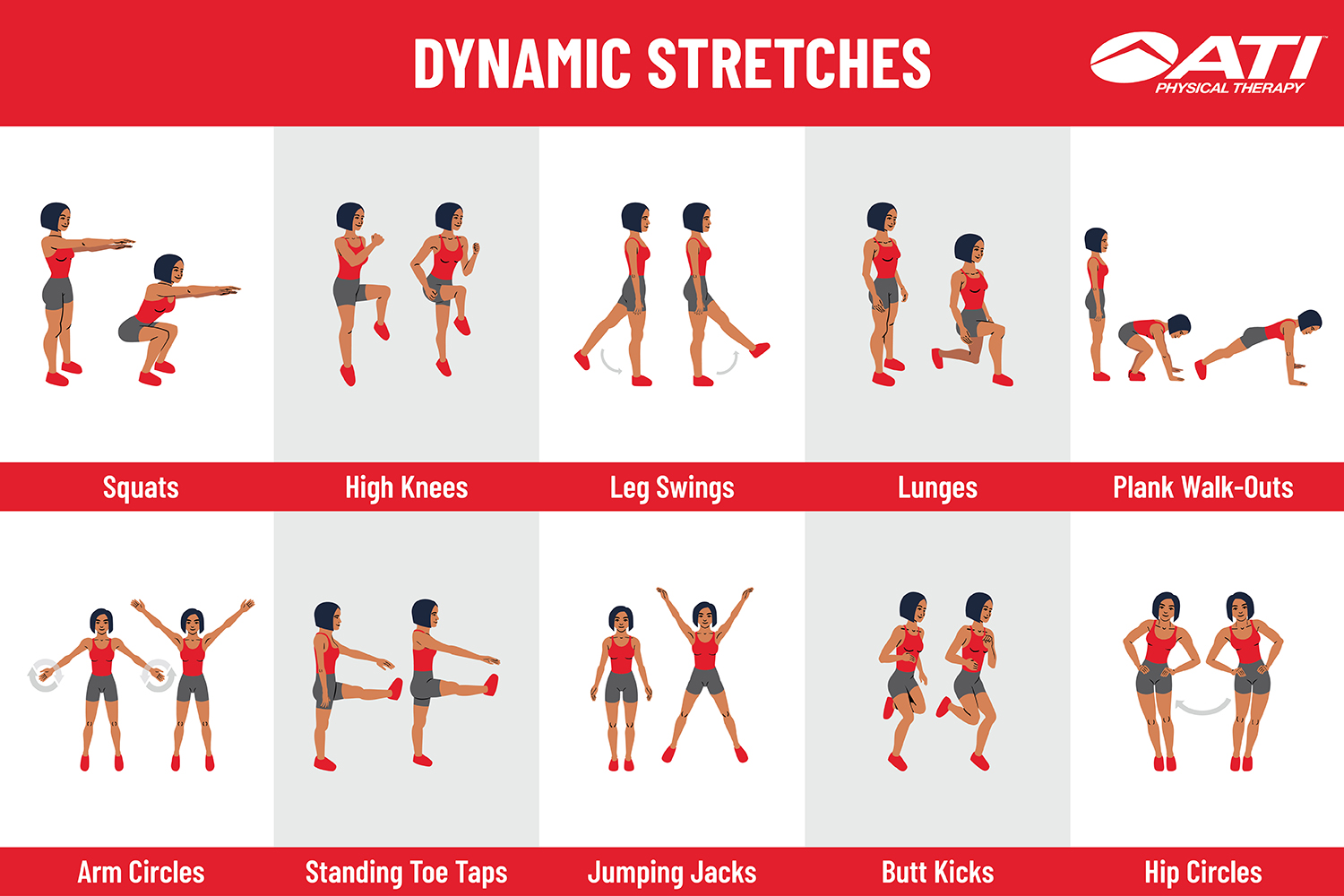
Dynamic Warm-Ups That Prepare You To Perform
Before intense training, prioritize dynamic stretching to raise temperature, stimulate synovial fluid, and wake up the nervous system. Think of moves that mirror your sport: controlled leg swings, arm circles, hip openers, and thoracic rotations. Keep reps smooth and ranges gradually expanding, using a moderate tempo that keeps the core braced and posture tall. Add controlled articular rotations for wrists, shoulders, hips, and ankles to map out end ranges with intention. Pair each motion with steady nasal breathing to avoid bracing too hard. A useful template is to sequence from the ground up—ankles, knees, hips, spine, shoulders—so no joint is skipped. Sprinkle in activation drills for glutes, mid-back, and deep core to convert flexibility into stability. Finish with a few movement rehearsals such as skips, shuffles, or lightweight swings that match your session. The result is a body that feels springy and coordinated, not loose and sleepy.
Static Stretching And PNF For Lasting Gains
When the session ends, shift to static stretching and PNF methods to consolidate gains. Static holds of 20 to 60 seconds let tissues adapt and the nervous system recalibrate tone. Ease into stretches until you feel mild tension, then relax the jaw, eyes, and breath. For PNF contract-relax, position at a gentle stretch, lightly contract the target muscle for 5 to 10 seconds, exhale, and drift a little deeper while maintaining control. Two to three cycles are plenty. Focus on common hotspots—hip flexors, hamstrings, calves, pecs, and lats—balancing both sides. Avoid tugging on joints; aim the sensation into the muscle belly, not connective tissue. If a position provokes pinching or tingling, back out and adjust angle. Combine holds with slow exhalations to lower nervous system arousal. Treat cooldowns as practice for posture and alignment, stacking ribs over pelvis and keeping shoulders relaxed. Over time, this consistent approach yields calm, durable flexibility that supports training.
Myofascial Release And Tools That Complement Stretching
Strategic myofascial release can accelerate mobility changes by reducing protective tone and improving glide between tissues. Use a foam roller or small ball to scan for tender, dense spots along calves, quads, adductors, glutes, lats, and upper back. Spend 30 to 60 seconds per area, pausing on sensitive points while taking three slow breaths to let the nervous system downshift. Blend rolling with positional breathing—for example, foam roll the lats, then perform overhead reaches while keeping ribs tucked—to convert relief into movement. Apply light to moderate pressure; bruising is not a badge of honor. Follow release with an active range drill, such as hip CARs after glute rolling, to teach the brain how to use the new motion. Mini-bands, dowels, and sliders provide feedback and variability. Think sequence: release, mobilize, then stabilize. Small daily doses maintain results far better than occasional marathons, keeping tissues hydrated and responsive for your next workout.
Programming Your Mobility For Real-World Results
Mobility thrives on consistency and context. Attach short sessions to existing habits—five focused minutes before workouts, and five during cooldown. On off days, sprinkle micro-sessions: two or three movements that target sticky zones. Rotate emphases across the week—hips, thoracic spine, ankles, shoulders—so nothing is neglected. Track progress with simple metrics: can you reach a neutral overhead position without rib flare, achieve a half-kneeling dorsiflexion touch to the wall, or perform a deep hinge without rounding? Pair new range with strength by adding light lifts at end ranges—split squats for hip mobility, face pulls for shoulder control. Respect recovery with sleep, hydration, and walks, because stressed tissue resists change. If pain persists, scale back intensity, change angles, or consult a qualified professional. Your goal is not circus-level flexibility; it is resilient, sport-specific mobility that makes training feel better, technique cleaner, and performance more dependable.