Island Hopping Made Simple: Planning the Perfect Route
From ferry timetables to budget, weather windows, and must-see stops, learn how to map a stress-free island-hopping route tailored to your travel style.
Define Your Journey
Before plotting distances and departure times, anchor your planning with a clear purpose. Are you chasing coral gardens, culinary discoveries, or village festivals. Decide on two or three must-see experiences and treat them as anchor points around which your island hopping route will flow. Consider your preferred travel pace: a sunrise-to-sunset schedule suits energetic explorers, while slow mornings and golden-hour swims suit those who value unhurried wandering. Clarify non-negotiables like private bathrooms, beachfront access, or quiet coves, and note any comfort thresholds for small boats or winding roads. Sketch a rough circle or line on a map to visualize a coherent route and minimize zigzags. Finally, choose an entry and exit hub that reduces backtracking, keeping an eye on multiple transport options in case of changing seas or full bookings. With your priorities aligned, the details that follow will naturally support a focused, flexible, and fulfilling itinerary.
Cluster and Sequence
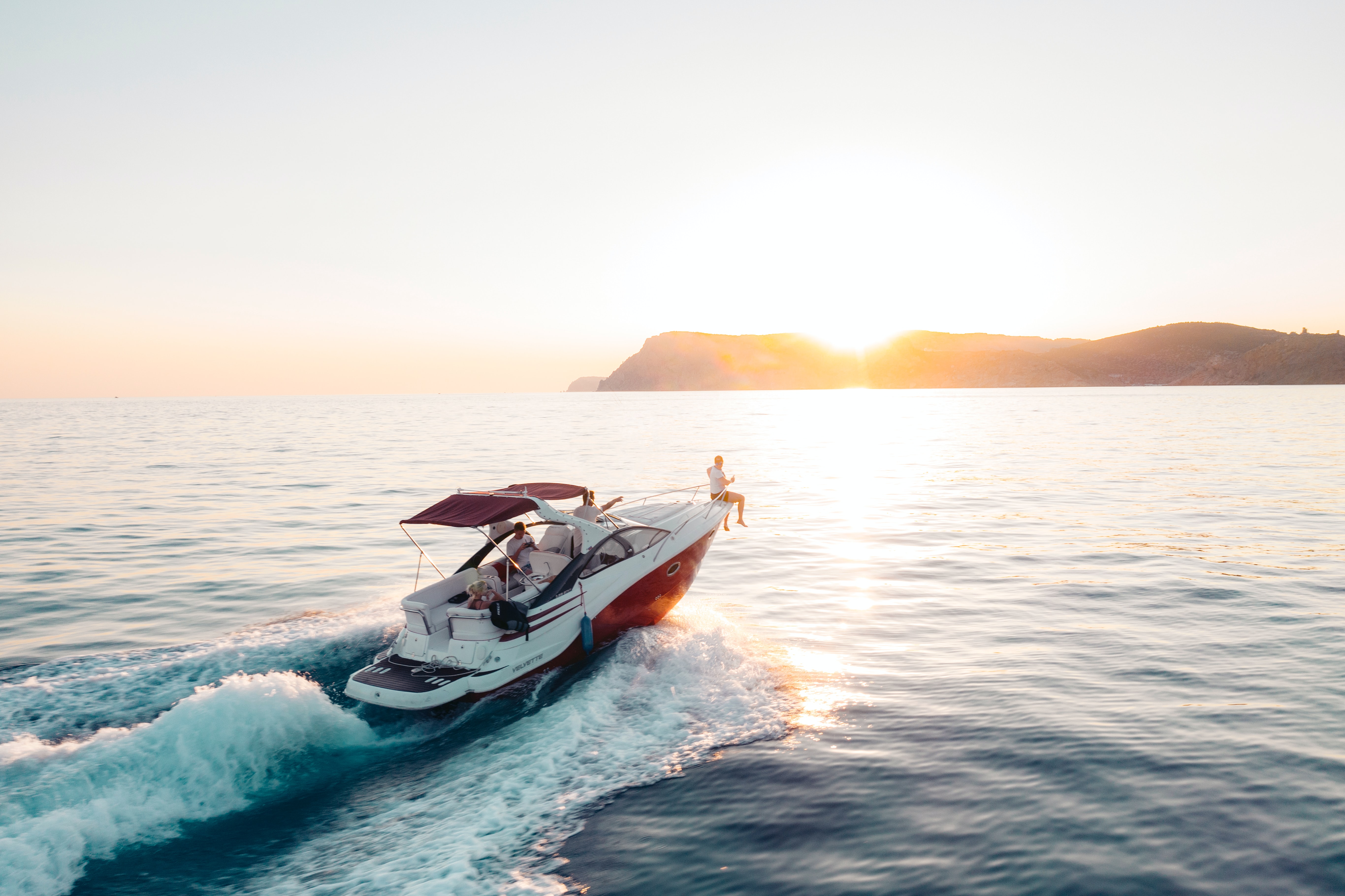
Great routes start with smart clustering. Group islands by proximity and shared transport corridors, then plan a logical sequence that flows in a single direction. A simple clockwise or counterclockwise loop reduces transfers and increases your chances of catching conveniently timed boats or planes. Identify a reliable hub island with frequent connections as your pivot; it can serve as a launch point for out-and-back day trips to smaller islets, or as a safety net if weather disrupts your plan. Use natural boundaries like channels, reefs, or mountain ridges to estimate travel time and variability. When in doubt, move from larger to smaller islands as your trip progresses, since small islands often have fewer departures. Keep transitions short on days when you plan activities, and bunch longer crossings together on dedicated transfer days. This clustered itinerary keeps logistics tidy, energy high, and time focused on the water rather than waiting rooms.
Mix Your Transport
A balanced transport mix transforms a good plan into a great route. Combine ferry networks for scenic hops, inter-island flights for long jumps, and speedboats or water taxis for short, flexible transfers. Ferries offer generous baggage allowances and open decks for breezy views, while flights save hours across wide channels or when sea conditions are unpredictable. Factor in transfer time to and from ports or airstrips, including check-in windows, boarding, and the stroll to your lodging. If your budget allows, a private charter can stitch together remote stops, but confirm safety standards and cancellation rules. For every crossing, note the first and last daily departures and any midday gaps. When seas are lively, morning passages are often smoother. Keep a shortlist of alternate connections to handle changes, and save screen snapshots of schedules. This layered approach gives you options, reduces stress, and keeps your itinerary resilient without sacrificing spontaneity.
Set the Right Pace
The magic of island travel lies in an unhurried pace. As a rule of thumb, give each island enough nights for arrival, exploration, and reflection. Many travelers find rhythm with two to three nights on smaller isles and more time where hikes, reefs, or markets abound. Build buffer days after long crossings to handle delays or simply enjoy beach time without watching the clock. Use a day trip model to sample satellite islets while keeping your luggage in one place, then return for sunset dinners. Plan activity intensity like waves: a lively day of snorkeling or trekking followed by a gentle day of hammocks and cafe wandering. Target morning arrivals so you can settle in and catch a late swim, and avoid packing too many back-to-back transfers. Thoughtful spacing turns logistics into a soft background hum while your senses focus on the wind, salt spray, and the story each shoreline tells.
Budget Smartly
A clear budget frees you to savor each stop. Separate costs into transport, lodging, meals, activities, and incidentals. Expect dynamic pricing for flights and boats, with fares shifting based on demand and timing. Mix splurges with savings: perhaps a boutique stay on your main hub balanced by guesthouses on smaller islands. Prioritize experiences that define your trip, such as a guided reef dive or a sunset sail, and trim extras that blur together. Book critical crossings early and keep an eye on cancellation flexibility in case plans shift. Cash can be king on remote islands, so carry a comfortable cushion while still using cards where possible, and note potential fees at local ATMs. Food markets and beach shacks offer flavor without fuss, while picnic lunches stretch your spending. Remember, the most rewarding investments often involve time and curiosity rather than price tags.
Pack for Water and Weather
Packing for islands is about lightweight layers and waterproof protection. Start with a soft bag that stows easily on boats, plus a small day pack for strolls and deck time. A compact dry bag shields phones and documents from spray, while quick-dry clothing keeps you comfortable from dock to dune. Choose layering pieces for breezy evenings and sun shirts for midday rays, paired with a brimmed hat and reef-friendly sun protection. Footwear should cover three bases: sandals that grip wet decks, breathable walking shoes, and light water shoes for rocky entries. Add a mini first-aid kit, motion-sickness remedies, and a portable charger for power-scarce outposts. A microfiber towel, reusable bottle, and a simple laundry kit extend independence. For connectivity, download offline maps and essential confirmations. Keep toiletries simple and spill-proof. With this essentials kit dialed in, you will move nimbly between piers, paths, and palm-shaded coves.
Travel Lightly and Respectfully
Islands thrive when visitors embrace responsible travel. Practice leave no trace habits by packing out waste, refilling bottles, and avoiding single-use plastics where alternatives exist. Respect local culture by learning greetings, dressing modestly in villages, and asking before photographing people or sacred sites. In the water, follow marine conservation etiquette: never touch coral, keep fins away from delicate growth, and give wildlife generous space. Support small businesses by choosing local guides, markets, and artisans, which keeps tourism benefits in the community. Prioritize safety with basic swim awareness, life jackets on small craft, and a habit of checking conditions before setting off. Keep digital and paper copies of key documents, share your route with someone you trust, and note local contacts for emergencies. By treading gently and engaging thoughtfully, you will find doors opening, smiles widening, and your journey enriched by the very communities and ecosystems that make island hopping unforgettable.