HIIT Workouts You Can Do in 20 Minutes
Smash a full‑body workout in 20 minutes with quick HIIT circuits—no equipment. Pair all‑out bursts with brief rests to burn fat, build strength, and stamina.
Why 20-Minute HIIT Works: High-Intensity Interval Training, or HIIT, pairs short bursts of near-max effort with brief recovery to deliver impressive cardio and strength benefits in a tight window. By alternating work–rest intervals, you challenge multiple energy systems, elevate heart rate, and sustain an after-burn effect that supports conditioning and calorie use long after you stop. The magic is intensity over duration: you accumulate quality reps and powerful efforts without slogging through long sessions. A 20-minute structure keeps focus razor sharp and minimizes distractions, making consistency easier. Whether you are newer to training or already advanced, you can scale intensity by adjusting interval length, exercise selection, or range of motion. Think in RPE (rate of perceived exertion): aim for a 7–9 during work bouts and a 3–4 during recovery. Keep technique clean, avoid grinding through sloppy movement, and remember that efficient form, not just speed, magnifies results in every concise HIIT session.
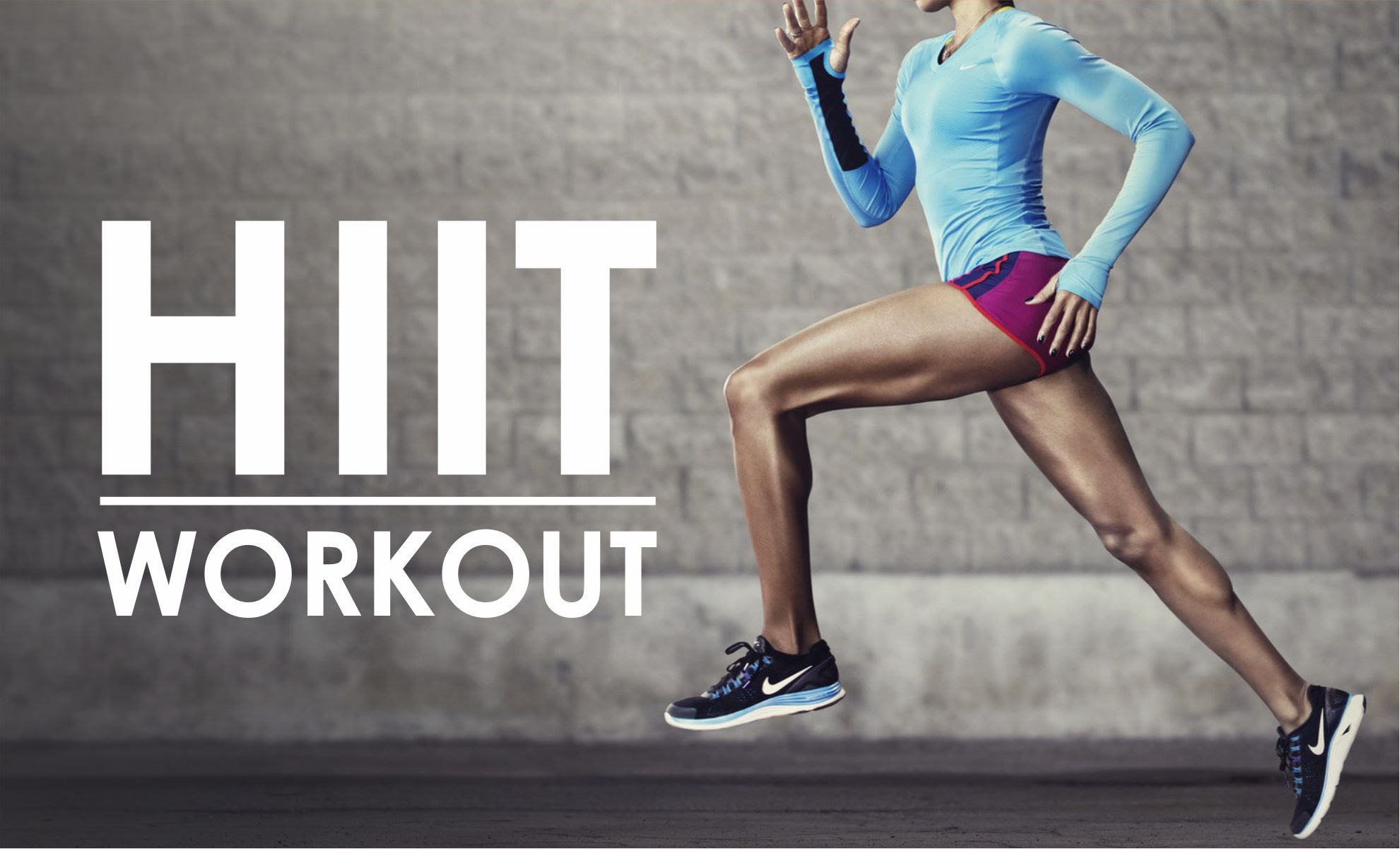
Warm-Up Essentials for Speed and Safety: A smart warm-up primes muscles, joints, and the nervous system, helping you hit high intensities without unnecessary risk. Spend 3–5 minutes raising body temperature with brisk marching, light jogging in place, or shadow boxing. Follow with dynamic mobility: arm circles, hip hinges, inchworms, lateral steps, and ankle bounces to prep major movers. Layer in technique rehearsal at low intensity—air squats, push-up negatives, and slow mountain climbers—to groove patterns you will use later. Breathe steadily, brace the core, and aim for soft, quiet landings to protect knees and ankles. Cue a neutral spine, stacked joints, and full-foot contact when squatting or lunging. If you train first thing in the day, extend the warm-up slightly to feel springy and stable. Set your timer and preview the sequence so transitions are smooth. A thoughtful ramp-up lets you attack intervals confidently, maintain crisp form, and unlock the best version of your 20-minute HIIT.
Bodyweight Blast: No-Equipment 20-Minute Circuit: Keep it minimalist with a total-body routine that needs zero gear. Block A (10 minutes): perform 40 seconds on, 20 seconds off for each move, two rounds total—bodyweight squat jumps or air squats, push-ups (incline for easier, decline for harder), mountain climbers, alternating reverse lunges, and plank jacks. Focus on tall posture, braced abs, and knee tracking over toes. Block B (10 minutes): 30 seconds on, 15 seconds off, repeat twice—high knees or marching pumps, bicycle crunches, skater steps or skater hops, bear plank with shoulder taps, and burpees or step-back burpees. Keep transitions tidy by arranging space ahead of time, and aim for an RPE of 8 during work sets. Scale by shortening work, slowing tempo, or choosing low-impact variants; progress by exploding higher, moving faster while controlled, or extending work by 5–10 seconds. You will finish breathless yet energized, with legs, core, and upper body thoroughly challenged.
Dumbbell Power Intervals: Strength Meets Sweat: If you have a pair of dumbbells, blend strength and cardio with an EMOM (Every Minute on the Minute) format. For 20 minutes, rotate through five moves for four rounds, choosing loads that let you work 20–35 seconds and rest the remainder. Minute 1: dumbbell thrusters for full-body drive and front-core tension. Minute 2: renegade rows to tax lats and anti-rotation stability. Minute 3: dumbbell swings or hinge-to-high-pull for posterior chain pop. Minute 4: alternating reverse lunge to biceps curl for smooth control. Minute 5: push press for overhead power. Keep wrists neutral, ribs down, and heels grounded during squats; squeeze glutes on lockout; row with hips square. Scale by reducing reps, using a single dumbbell goblet-style, or elevating hands for rows. Progress by adding load, trimming rest, or increasing density. This format builds strength endurance, reinforces clean mechanics, and keeps the heart rate humming.
Low-Impact and Small-Space Options: HIIT intensity does not require jumping or lots of room. Use low-impact choices that spike heart rate through tempo, range, and muscular tension. Try 45 seconds on, 15 seconds off for 20 minutes, rotating through step-back burpees without jumps, fast marching high knees, shadow boxing with rolls and slips, glute bridge march, wall sit pulses, and rapid calf raises. Drive effort by increasing cadence, extending isometric holds, or deepening the range of motion. Focus on quiet feet, engaged core, and smooth nasal breathing to keep tension productive. If joints are sensitive, swap deep knee bends for hip-dominant hinges and choose soft flooring. Use RPE to auto-regulate: maintain a strong 7–9 during work while preserving spotless form. These variations suit apartments, travel, or any setting where noise and space are limited, proving that intensity comes from intent and execution, not impact alone. Expect a serious burn with minimal wear and tear.
Cooldown, Recovery, and Progression: Seal your session with a short cooldown to downshift the nervous system and speed recovery. Walk slowly, practice deep diaphragmatic breathing, then stretch claves, quads, hip flexors, glutes, and chest with gentle holds. Add thoracic rotations and neck resets to unwind. Rehydrate, include protein and colorful plants across the day, and note how you felt using a quick RPE or breath-recovery check. Progress by extending work intervals, trimming rest by 5 seconds, adding one extra round, or increasing load while keeping reps crisp. Rotate protocols—EMOM, AMRAP, Tabata-style blocks, or ladders—to keep adaptation fresh. Track a few metrics like total reps, average RPE, or how quickly your breathing normalizes. Periodically reduce volume to consolidate gains and prevent plateaus. Over time, your 20-minute HIIT will deliver noticeable improvements in conditioning, strength endurance, and mental focus, all while fitting smoothly into a busy sports and fitness routine.