HIIT Workouts You Can Do in 20 Minutes
Maximize fat burn in just 20 minutes with HIIT. Quick circuits, no gear needed, and scalable for any level—perfect for busy days and proven to build strength.
Why HIIT Works
High-Intensity Interval Training, or HIIT, condenses effort into short bursts of intensity followed by brief recovery. This alternating rhythm challenges both your cardiovascular system and muscular endurance, creating a potent training stimulus in minimal time. Because the intervals are short, you can push hard, then reset, which allows you to maintain quality across the session. The result is a blend of improved aerobic capacity, stronger anaerobic power, and a noticeable metabolic boost after you finish, often referred to as EPOC (excess post-exercise oxygen consumption). HIIT is time-efficient, adaptable, and friendly to small spaces—many effective sessions use only bodyweight or a single tool like a jump rope, backpack, or dumbbell. It also supports variety, so you can rotate movements to reduce monotony and manage joint stress. Whether you want to build speed, burn calories, or enhance everyday functional fitness, the compact nature of HIIT makes twenty minutes a realistic, sustainable commitment that delivers meaningful results without overhauling your schedule.
Warm-Up & Structure
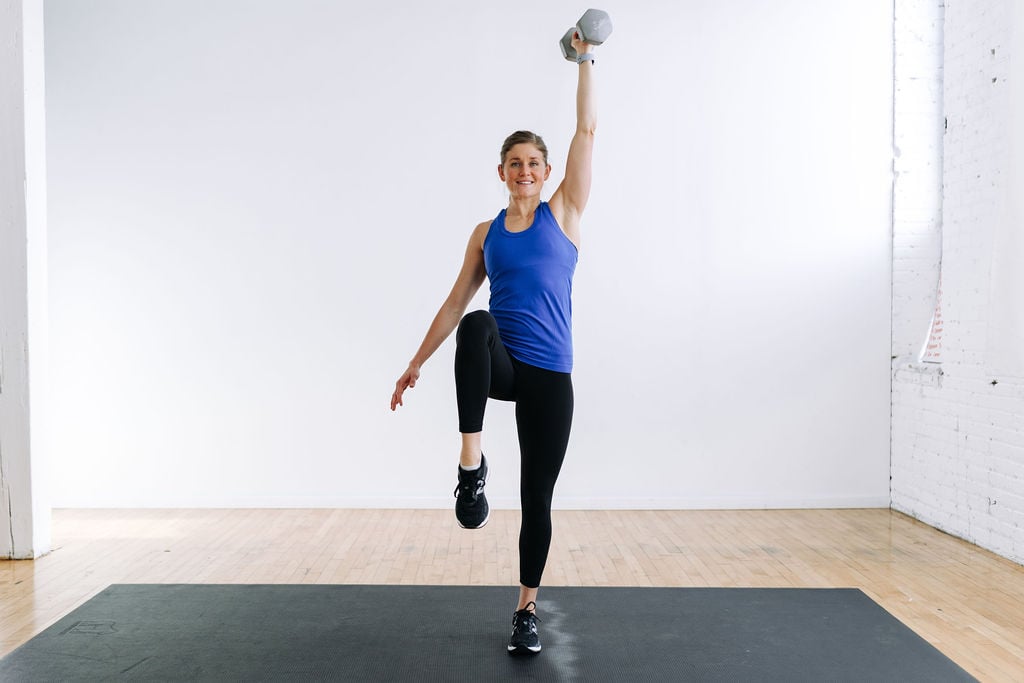
A smart warm-up maximizes performance and reduces injury risk, especially when intensity rises quickly. Spend a few minutes on dynamic movements that elevate heart rate and lubricate joints: brisk marching or light jogging in place, arm circles, hip hinges, lateral steps, and ankle rolls. Then define a work-rest ratio that matches your goal. Balanced formats like 30 seconds work / 30 seconds rest build repeatable power; shorter rests like 40/20 push conditioning; and protocols such as Tabata (very hard work with very brief recovery) emphasize intensity over duration. Keep transitions clear with a clock or app timer and cluster exercises to alternate upper, lower, and core demands so one area recovers while another works. For a tidy twenty, allocate time intentionally: a quick prep, a focused main block of intervals, a brief finisher, then a cool-down to normalize breathing. This blueprint protects form, sustains effort, and lets you scale difficulty without extending the session.
Beginner 20-Min Plan
For a gentle entry that still feels purposeful, use low-impact intervals and controlled tempos. Begin with about four minutes of warm-up: marching in place, shoulder rolls, hip openers, light squats, and calf pumps to wake tissues and elevate temperature. Move into a simple, repeatable main set of 30 seconds on / 30 seconds off for eight minutes, cycling through bodyweight squats, incline push-ups on a counter, reverse lunges alternating legs, and plank knee taps to engage the core. Keep your effort around a conversational but focused level, breathing rhythmically. Follow with six minutes of gentler rounds at 20 seconds on / 40 seconds off, using fast step-outs, glute bridges, shadow boxing, and a supported good morning hinge to reinforce posture. Finish with two minutes of cool-down: deep nasal breaths, standing hamstring reach, quad stretch, and gentle spinal rotations. Expect to feel warm and accomplished, not wrecked; prioritize form, smooth movement, and consistent pacing over speed.
Power 20-Min Circuit
If you're comfortable with vigorous efforts and crisp technique, this compact plan blends power, strength, and conditioning. Start with three minutes of dynamic mobility: knee hugs to calf raise, lateral lunges, thoracic rotations, and pogo hops to prep elastic tissues. Hit a six-minute EMOM (every minute on the minute): choose a repeatable rep target for burpees or no-push-up burpees; finish early and rest the remainder of each minute. Transition to eight minutes of 40 seconds work / 20 seconds rest, rotating through jump squats or power squats, push-ups (regular or hand-release), swings with a dumbbell or loaded backpack, and mountain climbers. Drive the floor away, keep a neutral spine, and snap hips on swings. Close with a three-minute Tabata-style finisher using high-knee sprints, fast skaters, or rope turns to spike heart rate while staying springy. Cool gradually as the clock winds down, focusing on breath control and relaxed shoulders to exit the session composed.
Form, Safety, Scaling
Performance starts with technique. Keep a stacked ribcage and pelvis, brace lightly through the core, and let joints track naturally—knees over mid-foot in squats and lunges, wrists under shoulders in plank variations, and a neutral neck to avoid strain. Shorten ranges if mobility is limited and build depth gradually. When jumping, land softly with bent knees and hip hinge to absorb force; replace jumps with quick step-outs if impact bothers you. Use the RPE scale (rate of perceived exertion) to regulate effort: during work intervals aim for a challenging but sustainable zone, then fully commit to recovery windows. Hydration and stable footwear help maintain consistency and traction. If pain appears, pause and adjust; if fatigue blurs form, extend rest or simplify the exercise. Swap burpees for walk-backs, push-ups for incline versions, and jump squats for brisk bodyweight squats. Smart scaling preserves quality, builds confidence, and ensures you can show up again tomorrow.
Recovery & Consistency
A great twenty-minute session isn't complete without thoughtful recovery. Ease down with slow inhales through the nose and long, relaxed exhales to reset the nervous system, then add light stretching for hips, quads, hamstrings, chest, and lats. Gentle mobility on off-days—walking, easy cycling, or yoga-inspired flows—supports circulation without adding fatigue. Aim for steady sleep, balanced nutrition, and adequate hydration to replenish energy and support muscle repair. For programming, two to four HIIT days per week, separated by lower-intensity activity, strikes a productive balance for most people. Track progress with simple metrics: number of quality rounds, how quickly your breath recovers, rep consistency, or an RPE trend that drifts lower at the same workload. Keep sessions varied by rotating movement patterns, tools, and work-rest ratios, and set cues in your environment—shoes by the door, timer ready, playlist queued—to reduce friction. Over time, these small, repeatable habits turn twenty focused minutes into lasting fitness.