HIIT Workouts You Can Do in 20 Minutes
Crush a full-body workout in just 20 minutes with these HIIT routines—no gym required. Burn fat, build strength, and boost cardio with smart intervals.
Why 20-Minute HIIT Works
HIIT condenses big fitness returns into a compact window by alternating intense work intervals with brief recovery. This oscillation challenges your cardiovascular system, builds power, and elevates post-exercise calorie burn through the so-called afterburn effect. A focused 20-minute session can be enough to stimulate improvements in endurance, speed, and muscular conditioning, especially when you push effort to a challenging RPE (rate of perceived exertion) while preserving form. Because the sets are short, you can sustain a higher intensity than during steady-state cardio, and that intensity drives adaptation. It is also adaptable: you can use bodyweight, cardio machines, or free weights and still follow the same timing framework. The key is to keep transitions crisp, monitor breathing, and commit to quality movement. For best results, treat the clock like a coach, respect rest windows, and use a warm-up and cool-down to sharpen performance and support recovery.
Bodyweight Blast: No-Equipment Circuit
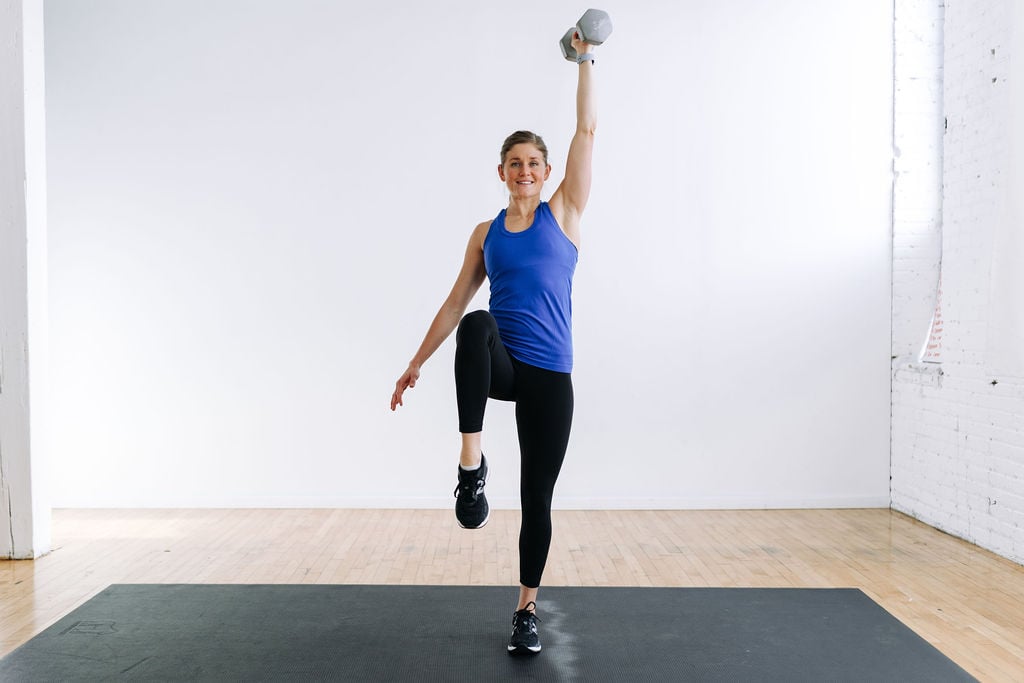
This no-gear plan fits virtually anywhere and relies on compound moves to engage multiple muscle groups. Start with a 3-minute warm-up: easy jog in place, arm circles, inchworms, hip openers. Then complete 14 minutes of 40 seconds on, 20 seconds off, cycling through: air squats or squat jumps, push-ups (elevate hands to scale), alternating reverse lunges, mountain climbers, plank shoulder taps, high knees, and burpees or step-backs. Repeat the sequence twice, sustaining an RPE of 8 to 9 during work intervals and breathing rhythmically through the nose and out the mouth. Finish with a 3-minute cool-down: slow walking, calf and quad stretches, and gentle spinal rotations. Beginners can lower impact, reduce depth, or switch jumps to steps; advanced athletes can add a backpack load or increase tempo. Focus on posture, stable knees, and controlled landings to keep the session powerful, safe, and time-perfect at 20 minutes.
Cardio Intervals: Run, Cycle, or Row
If you prefer machines or outdoor cardio, use the same 3-14-3 template. Begin with 3 minutes of gradual ramp-up: easy pace, relaxed shoulders, and smooth cadence. For the 14-minute block, perform seven rounds of 40 seconds hard, 20 seconds easy on a run, bike, rower, ski erg, or jump rope. Aim for an RPE of 8 to 9 during work intervals, focusing on tall posture, quick feet or cadence, and steady arm drive. During recovery, keep moving lightly to clear fatigue. Switch modalities between rounds if you like, or stay on one tool to groove technique. Finish with a 3-minute cool-down, dropping to conversational effort and adding gentle mobility for calves, hips, and upper back. Scale by terrain and tool: on hills, shorten strides; on a bike, adjust resistance; on a rower, manage stroke rate and powerful yet smooth pulls. The goal is consistent intensity bursts without form breakdown.
Minimal Gear Mix: Dumbbells or Kettlebell
With one pair of dumbbells or a kettlebell, you can blend strength and cardio for a potent 20-minute session. Warm up 3 minutes with light hinge patterns, shoulder prep, and bodyweight squats. Then run a 14-minute 40 on, 20 off circuit: kettlebell swings or dumbbell hip hinges, thrusters, alternating renegade rows (reduce load to maintain plank integrity), split squats or goblet squats, push press, lateral hops over the bell or dumbbells, and a core finisher such as hollow hold or dead bug taps. Repeat twice. Keep loads moderate so you can move explosively with clean technique and full control. Anchor bracing before every set, and keep the bell close on swings to protect your back. Cool down 3 minutes with breathing, hamstring flossing, and thoracic rotations. Modify by reducing range, swapping jumps for steps, or using single-arm variations to address imbalances while maintaining intensity.
Recovery, Safety, and Progression
Short sessions work when you respect recovery and progression. End every workout with a brief cool-down, diaphragmatic breathing, and gentle mobility to downshift your nervous system. Hydrate, refuel with quality protein and carbohydrates, and schedule HIIT on non-consecutive days if intensity is high. Track total reps, meters, or average RPE to monitor progress; aim to improve one variable at a time, such as cleaner form, slightly higher cadence, or reduced rest. Prioritize joint-friendly landings, neutral spine, and pain-free ranges; if something hurts, substitute a similar pattern with less impact. Use a reliable timer to keep structure tight, and prepare your space to minimize transition delays. Vary movements weekly to avoid plateaus while keeping the work-to-rest ratio consistent. Sustainable, smart effort beats maximal chaos—hit the prescribed intensity, move well, and let the 20-minute window become your most dependable fitness habit.