Herbs and Spices That Elevate Everyday Cooking
Discover essential herbs and spices that transform everyday meals, with pairing tips, bold blends, and easy techniques to add depth, aroma, and color.
Pantry Staples That Power Flavor
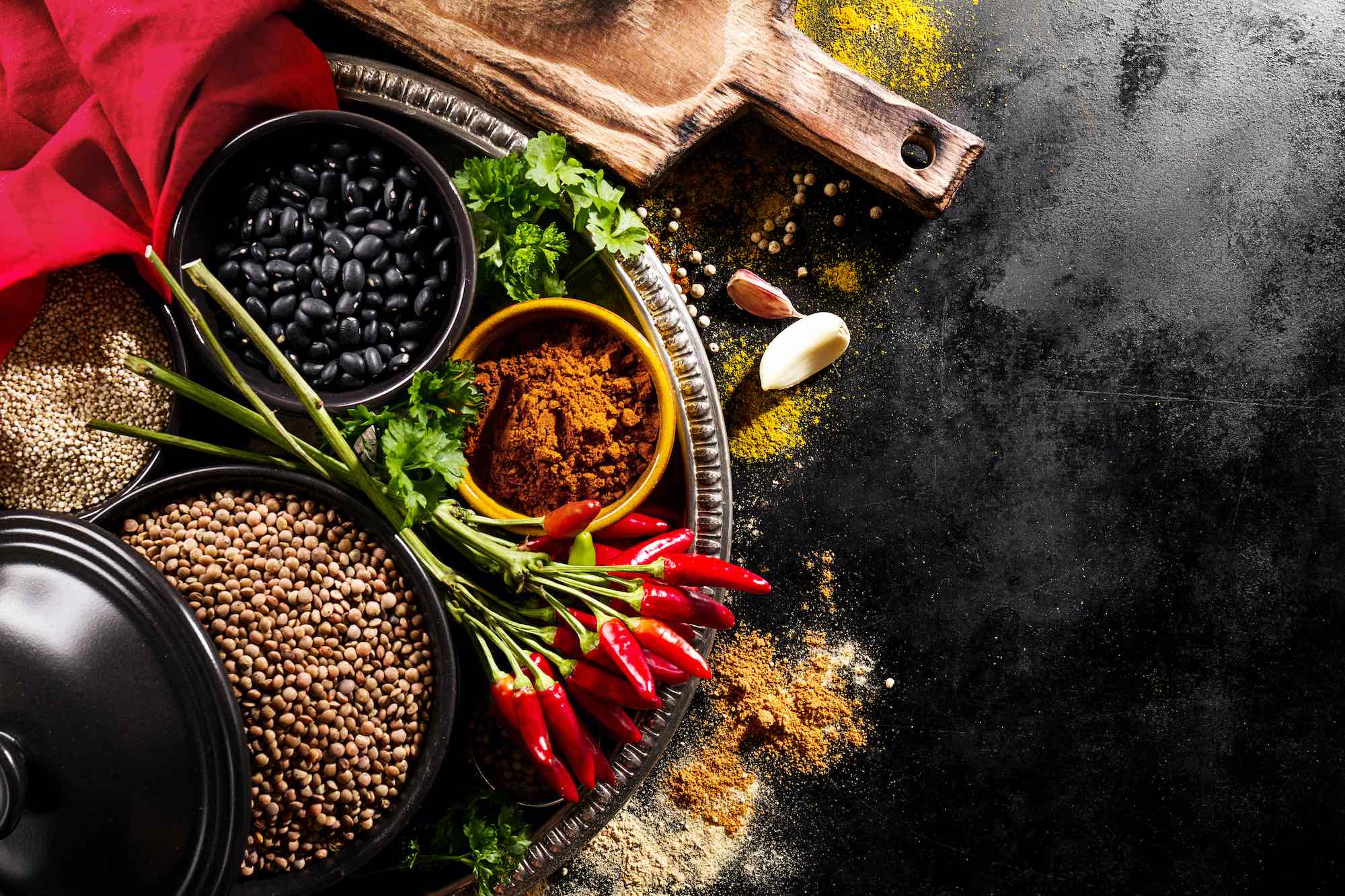
Everyday cooking transforms when your pantry is stocked with a small, thoughtful lineup of herbs and spices. Start with versatile herbs like basil, oregano, thyme, rosemary, parsley, and cilantro for bright, garden-fresh notes, and add foundational spices such as cumin, coriander, paprika, turmeric, cinnamon, cardamom, ginger, and black pepper. Round it out with chili flakes for heat and bay leaves for depth in soups and stews. These shelf-friendly essentials form a toolkit for countless dishes across the food and groceries spectrum, from quick weeknight pastas to sturdy bean stews. Think of spices as your palette: smoky paprika, earthy cumin, citrusy coriander, and warming cinnamon provide distinct tones you can layer. Herbs add lift and freshness, balancing richness from fats and proteins. With this core set, you can build rubs, marinades, and seasoning blends that highlight sweetness in tomatoes, crispness in greens, or savoriness in mushrooms—without relying on complicated techniques or hard-to-find ingredients.
Fresh vs. Dried: Smart Choices for Maximum Impact
Both forms have a place, but knowing which to use when makes flavors shine. Fresh herbs like basil, cilantro, mint, and dill taste best added at the end, preserving delicate aromas and bright finishes. Dried herbs such as oregano, thyme, and rosemary excel in longer cooking, where their flavors gradually infuse sauces, braises, and roasts. For spices, whole forms (like cumin seeds or peppercorns) keep potency longer, while ground spices deliver speed and convenience. A common guide is roughly three parts fresh to one part dried, adjusting to taste and intensity. Rehydrate dried herbs in warm broth, oil, or the early stages of a simmer to awaken flavor. When shopping, choose vibrant, fragrant bunches for fresh herbs and sealed containers for dried goods. Store fresh stems like flowers in water or wrapped with a damp towel, and keep dried herbs and spices in cool, dark, airtight jars to protect volatile oils.
Techniques: Toasting, Blooming, and Grinding for Deeper Flavor
Simple techniques unlock extraordinary aroma. Lightly toast whole spices—such as cumin, coriander, fennel, or mustard seeds—in a dry pan until fragrant to deepen warmth and sweetness. Bloom ground spices like paprika, turmeric, and chili powder in a little oil, butter, or ghee; the fat dissolves fat-soluble compounds, amplifying color and taste. Use a mortar and pestle or a spice grinder to freshly grind seeds for a burst of volatile oils moments before cooking. Create quick aromatic bases by sizzling garlic, ginger, and onion with your bloomed spices, then fold in tomatoes, coconut milk, or stock. For herb-forward dishes, fold chopped parsley, chives, or basil into warm food off the heat to prevent bitterness. Consider compound butters, infused oils, or pastes that combine herbs and spices into ready-to-use flavor boosters. These habits take seconds but add layered complexity that salt alone cannot deliver.
Global Blends for Everyday Meals
Pre-made or homemade blends multiply options without crowding your shelf. Try Italian seasoning for tomato-based pastas and roasted vegetables; herbes de Provence for poultry, fish, and potatoes; and za'atar for salads, flatbreads, and yogurt dips. Explore garam masala for warming notes in lentils and stews; ras el hanout for aromatic couscous and vegetables; berbere for bold, peppery heat; and curry powder or chili powder for quick weeknight soups, beans, or marinades. Balance each blend's intensity with acid and fat: add lemon, lime, or vinegar for brightness, and use olive oil, yogurt, or coconut milk to soften heat. Build your own by combining a base (like cumin, coriander, paprika) with accent notes (cardamom, clove, nutmeg) and herbs (thyme, oregano, marjoram). Label small jars and note pairings—poultry, greens, tomatoes, beans—so your food and groceries routine becomes a flavor-forward system rather than guesswork.
Pairing Guide: Produce, Proteins, and Grains
Match flavors to ingredients for satisfying results. Poultry loves rosemary, thyme, smoked paprika, and lemon zest; beef pairs with black pepper, garlic, bay, and oregano; pork welcomes sage, fennel, and coriander; and fish and seafood shine with dill, parsley, tarragon, and a gentle touch of chili flakes. For vegetables, lean on cumin with squash, paprika with potatoes, thyme with mushrooms, sumac or lemon zest with greens, and turmeric for golden color in cauliflower or rice. Beans and lentils love bay leaves, garlic, and cumin; grains take well to cinnamon, cardamom, or saffron-like profiles from turmeric for everyday warmth. In salads, finish with fresh herbs, a pinch of salt, and a touch of acid to punch through tenderness. Desserts welcome spice, too: cinnamon, nutmeg, and cardamom elevate fruit bakes, custards, and simple yogurt bowls.
Shopping, Storage, and Everyday Habits
A smart food and groceries strategy keeps flavor lively and waste low. Buy small amounts you'll use within a few months, prioritizing whole seeds for longevity. Choose airtight, opaque containers; label with purchase dates and store away from heat and light. Refresh your staples periodically—if a pinch smells faint, it will taste faint. Build habits that make herbs and spices automatic: pre-mix a versatile house blend with salt, black pepper, paprika, garlic powder, and thyme for quick seasoning; keep a jar of toasted cumin and coriander for vegetables; and prep a herb-packed chimichurri or pesto to spoon over eggs, grains, or grilled items. Finish dishes with fresh citrus zest, chopped parsley or chives, and a drizzle of good oil for instant uplift. With thoughtful shopping, careful storage, and simple daily routines, your kitchen turns staples into vibrant meals, again and again.