Culinary Journeys: Tasting Local Flavors Around the World
From bustling markets to home kitchens, journey across the globe to savor street eats, regional rituals, and the stories behind every local bite.
Street Markets: First Taste of Place
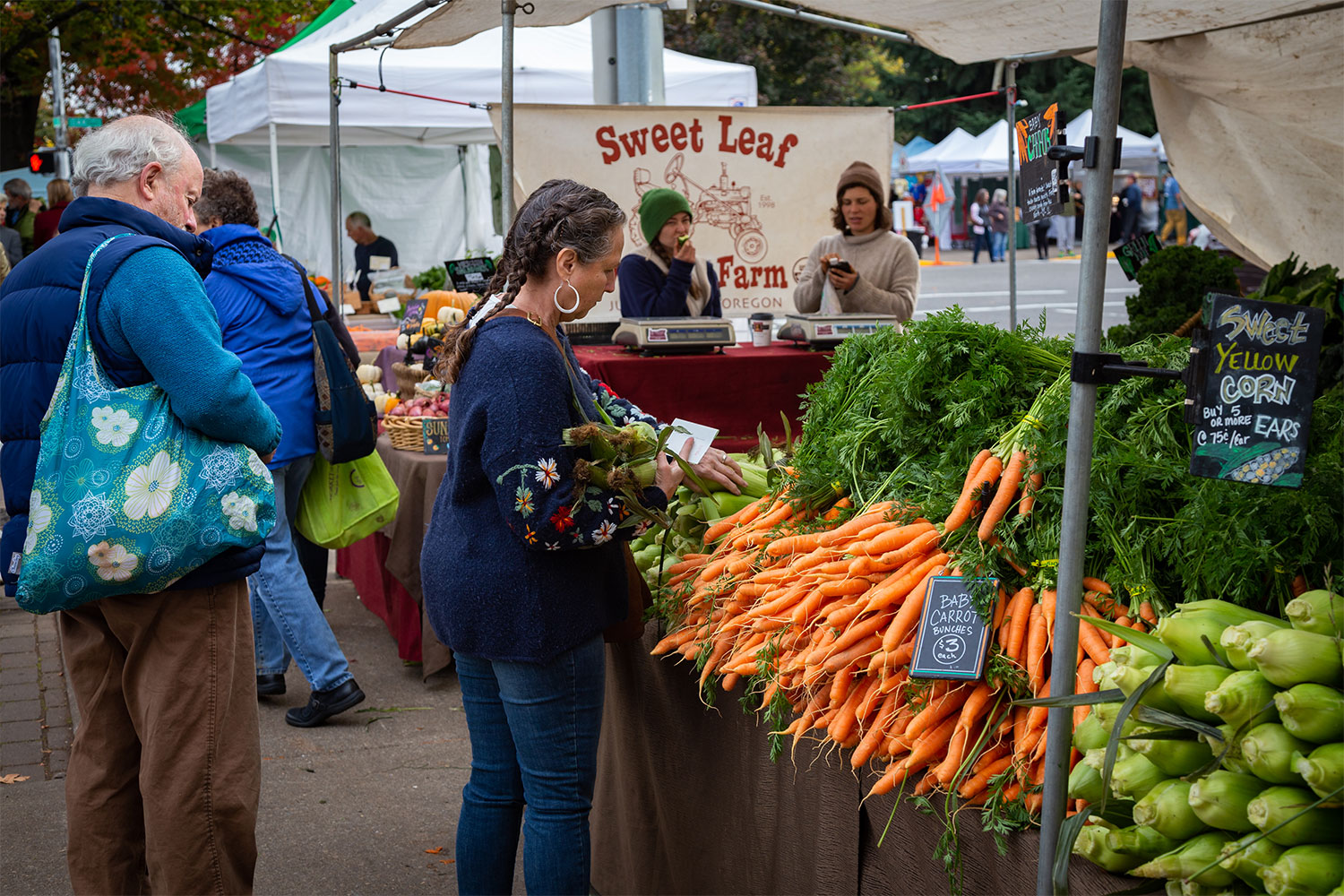
In every new destination, street markets are the fastest route to authentic local flavors. Follow the chorus of sizzling griddles, the rattle of ladles, and the perfume of spices to stalls serving skewers, stews, and dumplings in bite-sized portions you can sample as you wander. Observe what locals order and where queues form; high turnover and steaming-hot dishes often signal freshness. Ask vendors for a small portion to taste more varieties, and watch how ingredients are prepped—hand-rolled noodles, mortar-crushed chiles, or seasonal produce stacked like art. Markets double as maps: the presence of shellfish, mountain herbs, or tropical fruit reveals geography on your plate. Learn a few food words to spark friendly exchanges, and carry small change to keep transactions smooth. Eating standing up or at shared counters is part of the rhythm; step aside after you've finished to make room for others. In these open-air kitchens, aroma, texture, and community fuse into a vivid sense of place.
At the Family Table
Beyond public stalls, true hospitality unfolds at the family table—through homestays, supper clubs, or guesthouse dinners where home cooking tells stories no menu can hold. Here, recipes are measured in pinches, a grandmother's memory, and the particular way a cook toasts spices until they whisper. Expect communal platters, a steady tempo of ladles and laughter, and gentle guidance on what to taste first. Follow local cues: wait to be seated, accept second helpings when offered, and offer heartfelt thanks. A small token—fruit, flowers, or a regional sweet—often speaks volumes. To preserve a dish, watch hands, not just ingredients: the timing of a simmer, the sound of onions turning sweet, the touch that decides dough texture. Record details in a notebook, ask about origin stories, and celebrate tradition and intergenerational knowledge. At these intimate gatherings, food becomes a bridge to memory and identity, revealing values like generosity, patience, and shared responsibility.
Terroir on the Tongue
Every bite echoes landscape. Coastal towns sway toward briny catches and sun-dried sea flavors, while inland valleys favor grains, legumes, and slow-braised comfort. Mountain regions sparkle with wild herbs, cheeses nurtured in cool caves, and broths that warm from within. Understanding terroir—the union of soil, climate, and craft—deepens appreciation of each dish. Taste oils from different groves; notice how peppery, grassy, or buttery notes reflect microclimates. Compare breads leavened in dry or humid air, and see how altitude shapes texture. Seek labels and stall signs that mention provenance, or simply ask vendors where their goods were raised, milled, or fermented. The rhythm of seasonality matters: spring greens, summer stone fruit, autumn roots, winter preserves. Fermentation traditions—pickles, sauces, cultured dairy—bottle time itself, carrying harvests across months. Choosing artisan products honors makers who coax complexity from humble ingredients, turning each region's geology and weather into flavor you can name, remember, and seek again.
Rituals, Etiquette, and Pace
Food is also choreography. In some places, mornings hum with quick bites; in others, midday drifts into a leisurely meal where conversation is the main course. The tools vary—hands, chopsticks, spoons, bread—but the constant is respect. Watch how locals begin: a greeting, a toast, a shared bowl. Some settings invite lively chatter; others prize quiet appreciation. Learn simple phrases for gratitude, ask before photographing people, and note how seating or serving order unfolds. Shared plates reward patience; let hosts guide portions and pace. Practice gentle etiquette in queues, accept that popular spots may require waiting, and embrace the ritual of lingering when tables turn slowly. When in doubt about customs—tipping, splitting bills, or removing shoes—follow local examples or ask discreetly. Aim for thoughtful ordering to minimize leftovers, and pack out what you bring in. Treat staff and fellow diners with kindness, and the restaurant becomes not just a venue, but a living classroom in dining culture.
Eating with Care for People and Planet
Great travel tastes better when it's mindful. Seek out farmers' markets, neighborhood bakeries, and eateries that highlight seasonal produce and transparent ethical sourcing. Choose smaller portions to sample widely without waste, refill a bottle to cut plastic, and carry a lightweight tote for market finds. Ask vendors about fishing methods or farm practices; you'll learn which choices protect habitats and livelihoods. Favor dishes that showcase local staples—grains, legumes, hardy greens—that travel lightly from field to plate. Consider plant-forward meals to balance impact, and support businesses that value fair pay and community ties. If you join food tours, pick small groups that respect neighborhoods and avoid crowding. Walk or use public transit between tastings to savor the city at a human speed. Compost where possible, share extra food responsibly, and celebrate zero waste ingenuity. With each decision, you align pleasure with purpose, feeding both your curiosity and the community that nourishes it.
Learning by Doing: Classes and Kitchens
To turn taste into insight, go hands-on. Join a cooking class to practice knife work, dough shaping, or spice tempering; a single afternoon can reveal the heartbeat of a cuisine. Market-to-kitchen tours teach ingredient selection—how to judge ripeness, freshness, or the snap that signals quality. Workshops in bread, noodles, pickles, or confectionery expose technique and patience, turning recipes into repeatable skills. Ask permission before recording, and take notes on timing, aromas, and tactile cues. Observe mise en place, the quiet art of preparing before cooking, and see how efficiency frees creativity. Learn a few food phrases to navigate allergies or preferences, and carry translations for critical terms. Consider a brief stage at a community kitchen or bakery to understand flow and teamwork. Respect cultural boundaries, give credit to your mentors, and be open to unlearning. Practical culinary skills transform travel into a lifelong craft, letting you recreate memories with confidence at home.
Sweet Notes and Local Sips
A journey's finale often tastes of desserts and beverages. Pastries layered with butter and air, custards whispering of vanilla, syrup-soaked cakes, tropical fruits that perfume the fingers—each reflects climate, craft, and celebration. Explore café corners where aroma maps the streets: roasts that range from chocolatey to floral, teas that unfurl like seaweed in hot water, herbal brews gathered from hillsides. Sample thoughtfully: pair a delicate sweet with a bright infusion, or a rich confection with something brisk and tannic. Notice textures—crisp shells, tender crumbs, silken centers—and how temperature shapes pleasure. Learn post-meal rituals, from palate-cleansing fruits to soothing digestifs or spiced milks, and embrace unhurried conversations that naturally follow. When bringing flavors home, consider spices, beans, loose-leaf teas, or artisan chocolates, packed with care and in line with local rules. In every sip and bite, pairing, memory, and place converge, leaving a soft echo that invites you back to the table.