Core Workouts That Boost Stability and Balance
Strengthen your core to boost stability and balance with smart progressions, proper form cues, and low-impact drills you can do anywhere.
Stability Starts at the Core: In sports and fitness, true stability comes from a well-coordinated core, not just visible abs. Think of your midsection as a 360-degree cylinder made of the diaphragm, deep abdominals, obliques, spinal stabilizers, pelvic floor, and supportive glutes. When these structures synchronize, they keep your center of mass stacked over your base of support, making balance efficient rather than forced. The cornerstone is a neutral spine with ribs gently stacked over the pelvis, allowing you to brace without holding your breath. This alignment converts force from the ground into smooth movement, whether you are sprinting, lifting, or navigating everyday tasks. Pair diaphragmatic breathing with light abdominal tension to create intra-abdominal pressure that protects your back and steadies your hips. The goal is control: resist unwanted motion first, then produce powerful, precise motion. Build this foundation, and your balance, agility, and endurance improve together, enhancing durability and performance in every workout.
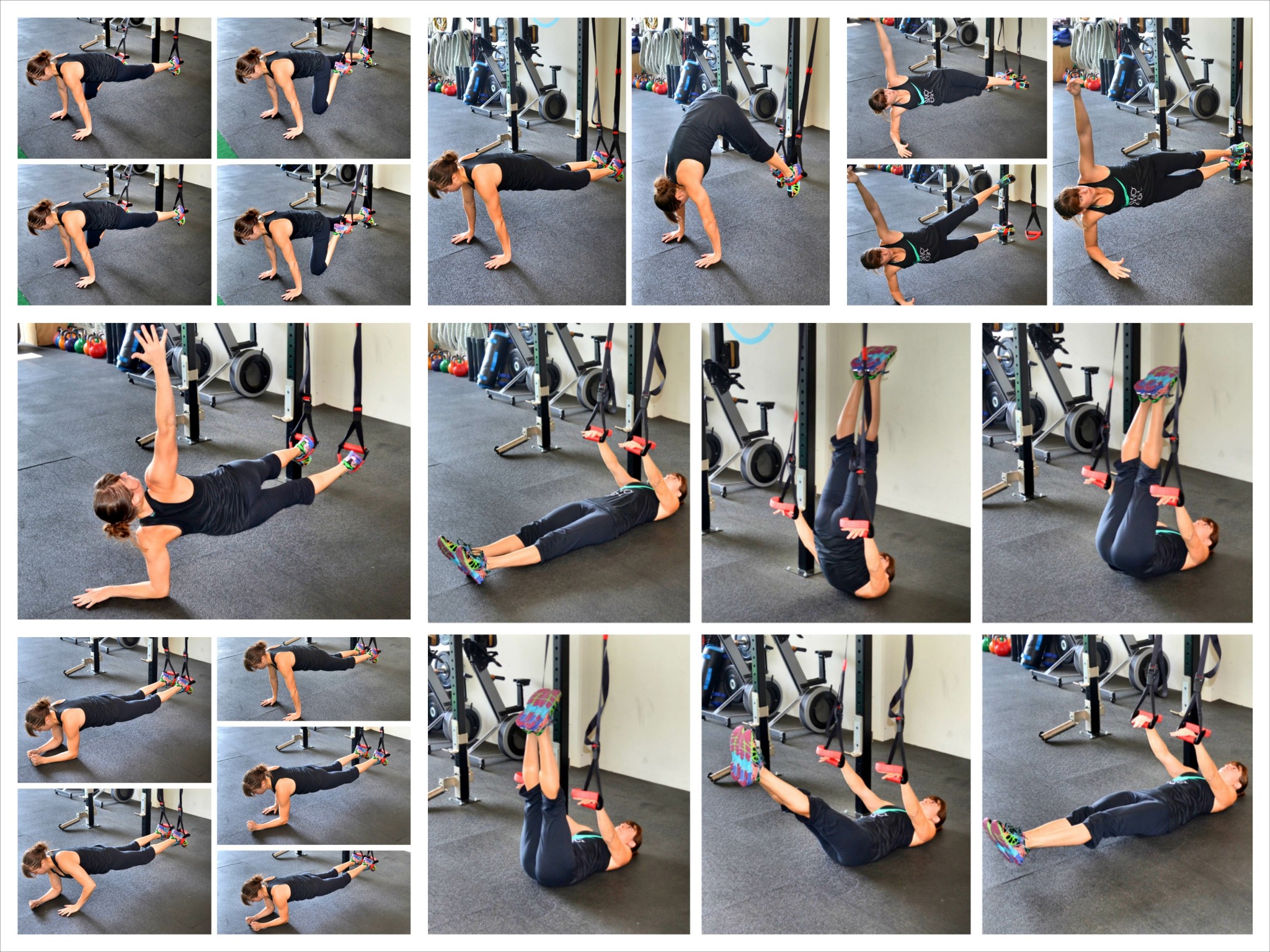
Plank Variations That Work: Planks are a gold standard for anti-extension core strength, but the magic lies in intelligent progression. Start with the classic forearm plank, owning straight-line alignment from head to heel, ribs tucked, and glutes squeezed. Advance to a long-lever plank by walking elbows forward, increasing the lever arm and the demand on the anterior core. Rotate to a side plank to hammer lateral stability, then add a reach or top-leg lift for extra oblique recruitment. For maximum tension, try an RKC plank: pull elbows toward toes without moving, creating high-quality irradiation. Keep the neck long, press the floor away, and breathe with control so the brace is responsive, not rigid. Short sets with pristine technique beat marathon holds. If shoulders complain, elevate the elbows on a bench or practice dead bug patterns to groove bracing mechanics. Master resisting extension and lateral flexion here, and every athletic pattern feels more stable.
Master Anti-Rotation Strength: Balance thrives when you can resist forces trying to twist you off line. Enter anti-rotation training. The Pallof press challenges the body to stay square as you press a cable or band away from the chest; maintain level hips, stacked ribs, and a steady exhale to anchor your trunk. Progress from tall-kneeling to half-kneeling to standing, and from bilateral to split stance to sharpen hip stability. Add chop and lift patterns to link the upper body with the core and hips, teaching force transfer without spinal shear. Try a suitcase carry, holding a weight in one hand while walking tall; avoid leaning and let the obliques fire to keep you upright. Blend in dead bug with banded pull-aparts for reflexive bracing under limb movement. The theme is clear: resist first, move second. This approach builds resilient rotational control, making cuts, throws, and overhead lifts cleaner, safer, and more powerful.
Single-Leg Balance Builders: Unilateral training unlocks authentic balance by narrowing your base of support and forcing precise control through the hip, knee, and ankle. The single-leg Romanian deadlift teaches a stable hip hinge; reach your free heel long, keep a soft knee, and grip the floor with a strong foot tripod to organize your arch. The step-down and rear-foot elevated split squat build eccentric control and frontal-plane stability, lighting up the glute medius to prevent knee collapse. For coordination, pair these with bird-dog variations that cue spinal neutrality while arms and legs move. Want more challenge? Add a light contralateral load or perform slow head turns to train proprioception without resorting to overly unstable surfaces. Maintain tall posture, breathe steadily, and pause at the bottom to own your positions. By mastering single-leg patterns, you refine agility, protect joints, and convert core strength into on-field balance you can trust.
Mobility Meets Stability: Lasting balance emerges when mobility and stability work together. Stiff ankles, tight hips, or a rigid thoracic spine can force the core to compensate, undermining alignment and control. Open the hips with active hip flexor work and dynamic adductor movements, then lock in the range with end-range holds. Free the upper back using thoracic rotations and prone extensions so the ribs can stack over the pelvis and the shoulders set cleanly. For the trunk, practice 90-90 breathing, expanding the lower ribcage to teach the diaphragm to cooperate with the deep abdominals. Follow mobility with low-load isometrics in the new range—think half-kneeling presses or side planks—to make gains stick. This mobility-to-stability pairing ensures joints move where they should and the core stabilizes where it must. The result is smoother gait, crisper direction changes, and a confident stance under load, all essential for consistent performance in training and sport.
Tempo, Breath, and Bracing: Technique is the amplifier for every core workout. Control tempo by slowing eccentrics and adding brief pauses where you are weakest; this increases time under tension without piling on junk reps. Coordinate diaphragmatic breathing with movement: inhale quietly through the nose to expand 360 degrees around the lower ribs, then exhale through the mouth to set a responsive brace that does not stiffen the spine. Think expand, then tension, not vacuum and crunch. Use cues like ribs down, zipper up the abs, and press the tongue to the roof of the mouth for better intra-abdominal pressure. Apply these ideas to planks, carries, and single-leg hinges, and you will feel instant improvements in control. Finish sets one or two reps before form slips. Quality reps teach the nervous system efficiency; sloppy reps teach chaos. With tempo, breath, and bracing in sync, stability and balance become automatic, not forced.
Smart Progressions and Consistency: Sustainable gains come from thoughtful progressions, adequate recovery, and unwavering consistency. Build your week around repeatable doses: sprinkle core primers into warm-ups, then anchor one or two focused anti-extension or anti-rotation moves in your strength sessions. Progress by increasing range, changing leverage, or adding unilateral load rather than chasing endless reps. Track how stable you feel in single-leg work, how steady your breathing stays under tension, and whether posture remains tall during carries. Balance practice thrives on small, frequent exposures: brief sessions done often trump occasional marathons. Support your training with restful sleep, hydration, and light aerobic work to aid recovery and coordination. If a drill causes pain, regress the leverage, shorten the set, or switch to a pattern you can own. Over time, this patient approach turns core stability into a superpower that elevates every athletic skill and keeps you moving confidently.