Composting Made Simple: From Kitchen Scraps to Garden Gold
Learn how to turn kitchen scraps into rich compost with the right greens-to-browns mix, proper moisture, and simple fixes for common problems.
Understanding Composting Made Simple
Composting turns everyday kitchen leftovers into garden gold, creating a steady supply of nutrient-rich compost that improves your landscape from the ground up. At its core, composting is controlled decomposition powered by microorganisms, a little moisture, and ample oxygen. When you divert fruit peels, coffee grounds, and yard trimmings from the trash, you not only reduce waste but also build soil health in a sustainable, low-cost way. Finished compost enhances soil structure, boosts water retention, and supports a thriving community of beneficial microbes that help plants absorb nutrients and resist stress. Think of your pile as a tiny ecosystem, where bacteria and fungi collaborate with small invertebrates to break down materials into stable humus. You do not need fancy equipment to begin; a simple bin or tucked-away corner of the yard works. With a basic understanding of balance and airflow, the process becomes reliable and nearly effortless, rewarding you with dark, crumbly material that smells pleasantly earthy and fuels vigorous growth.
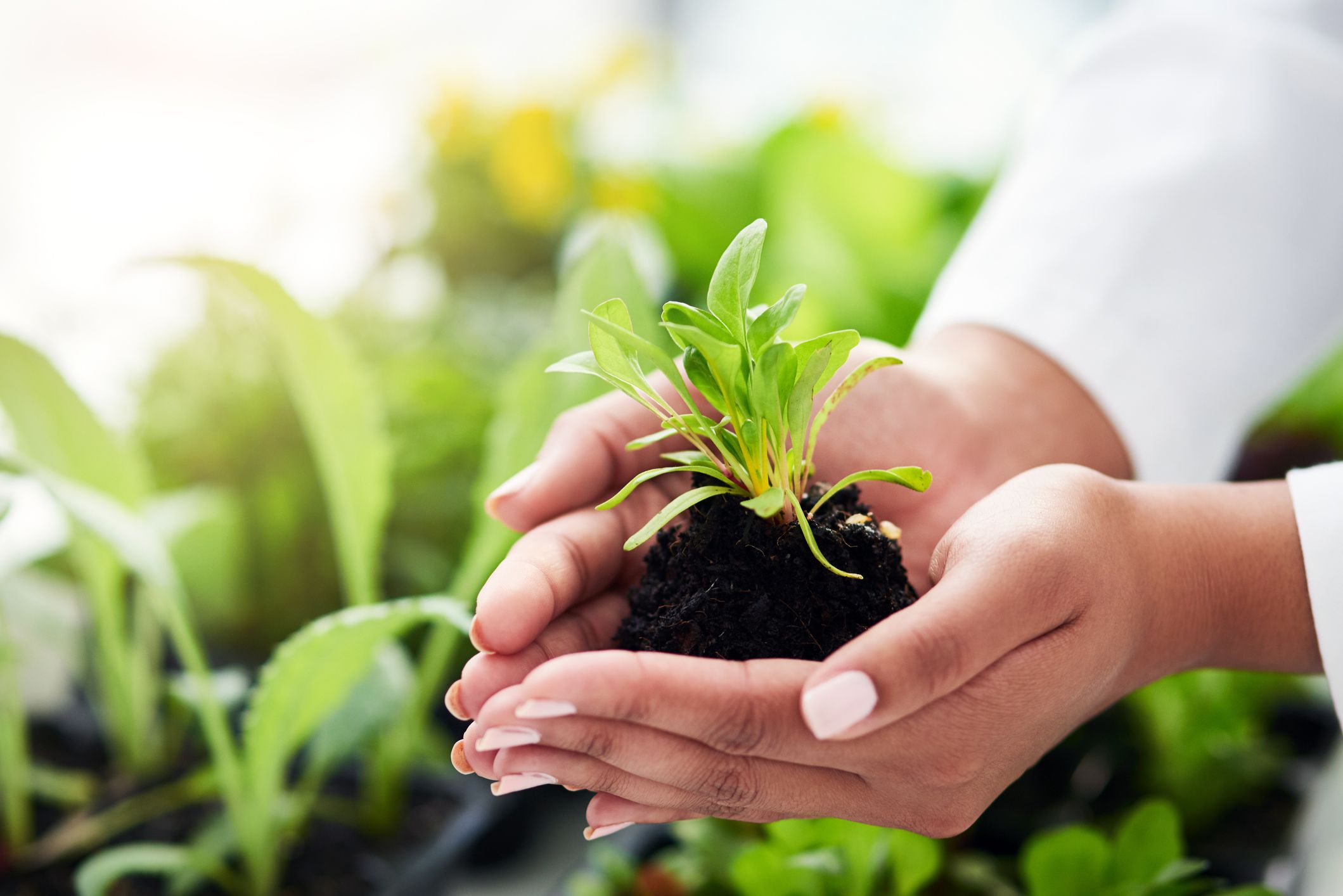
What to Compost and What to Avoid
Great results start with the right ingredients and a balanced mix of greens and browns. Greens are nitrogen-rich items that spark microbial activity: fruit and vegetable scraps, coffee grounds, tea leaves, fresh grass clippings, and spent flowers. Browns are carbon-rich materials that provide structure and help prevent a soggy mess: dry leaves, shredded paper or cardboard, straw, and small twigs. A practical guideline is to add more browns than greens to maintain a comfortable C:N ratio, which supports steady decomposition without unpleasant odors. Avoid meat, fish, dairy, oily foods, glossy or heavily inked paper, pet waste, and any diseased or pesticide-treated plant material. These can invite pests, produce smells, or contaminate your pile. Chop or tear inputs into smaller pieces to speed things along, and tuck fresh kitchen scraps beneath a layer of browns to discourage flies. With consistent inputs and good balance, your material will transform efficiently and cleanly.
Setting Up a Foolproof Compost System
Choose a compost method that fits your space and routine. A basic bin, a rotating tumbler, or an open pile can all succeed when sited on bare soil or a well-draining base that allows drainage and airflow. Select a location with light shade to prevent excessive drying and maintain comfortable temperatures. Begin with a coarse layer of small sticks or straw to enhance air channels, then alternate browns and greens as materials become available. Keep a small pail in the kitchen for scraps and a stash of browns—like shredded cardboard or dry leaves—near the bin so you can layer easily. If you have limited outdoor space, consider vermicomposting with worms in a ventilated container; worms quickly convert scraps into fine, plant-ready castings. Regardless of the system, aim for moisture levels similar to a wrung-out sponge and avoid compacting the pile. Simple, repeatable habits—collect, layer, and cover—create a dependable routine that steadily transforms scraps into useful humus.
Keeping It Cooking: Moisture, Air, and Balance
A thriving pile depends on three essentials: moisture, aeration, and material balance. If your compost looks dry and breaks down slowly, sprinkle water and add more greens to energize microbial activity. If it smells sour or looks slimy, mix in extra browns and turn the pile to restore airflow. Regular turning—with a fork or by rotating a tumbler—prevents compaction and mixes fresh materials into active zones, helping maintain an even temperature. Aim for pieces that are small enough to expose more surface area without turning the pile into mush. Seasonal swings are normal; in cooler weather, feed smaller amounts and insulate with browns, while in warmer spells, monitor moisture so the pile does not dry out. Keep pests away by burying fresh scraps and avoiding attractants like meat or oils. With a mindful eye and simple adjustments, your compost will steadily progress, producing clean, earthy material without fuss or off-putting odors.
From Pile to Plant: Using Your Finished Compost
You will know your compost is ready when it is dark, crumbly, and smells like a forest floor—classic signs of stable finished compost. Allow a brief curing period if needed, then sift out any woody bits to return to the pile for another round. Work compost into planting beds to improve soil structure, or use it as a mulch around ornamentals and vegetables to moderate temperature and conserve moisture. Blend it with potting ingredients for seed starting or container gardening, or top-dress lawns with a thin layer to support root vigor and nutrient cycling. A light sprinkle of compost under a new layer of mulch jump-starts microbial life at the surface, while a compost slurry or gentle soak can introduce beneficial biology to tired soils. Store extra in a covered bin to preserve moisture and quality. With each application, you are closing the loop—turning kitchen scraps into a steady source of fertility that fuels resilient, flourishing gardens.