Choosing the Right Athletic Shoes for Your Activity
Find the perfect athletic shoes for running, training, and court sports with fit tips, cushioning advice, and durability checks to prevent injury.
Know Your Feet and Movement Patterns
Your perfect athletic shoe starts with understanding your feet and how you move. Identify your arch height with a simple wet test or by noting where your feet contact the insole: high arches often benefit from more cushioning and flexibility, while low arches and overpronation may prefer subtle stability features. Watch your pronation—how your foot rolls after landing—since shoes range from neutral to guidance designs that gently center your stride. Assess your toe box needs: a roomy forefoot helps prevent blisters and black toenails during longer sessions, while a snugger fit may improve agility for quick cuts. Check the heel counter for secure hold and the midfoot lockdown so your foot doesn't slide on turns or hills. Consider your primary surface—gym floors, roads, courts, or trails—and your training volume. A short self-audit of your gait, foot shape, and activity demands sets the foundation for success in sports and fitness.
Run-Focused Features That Matter
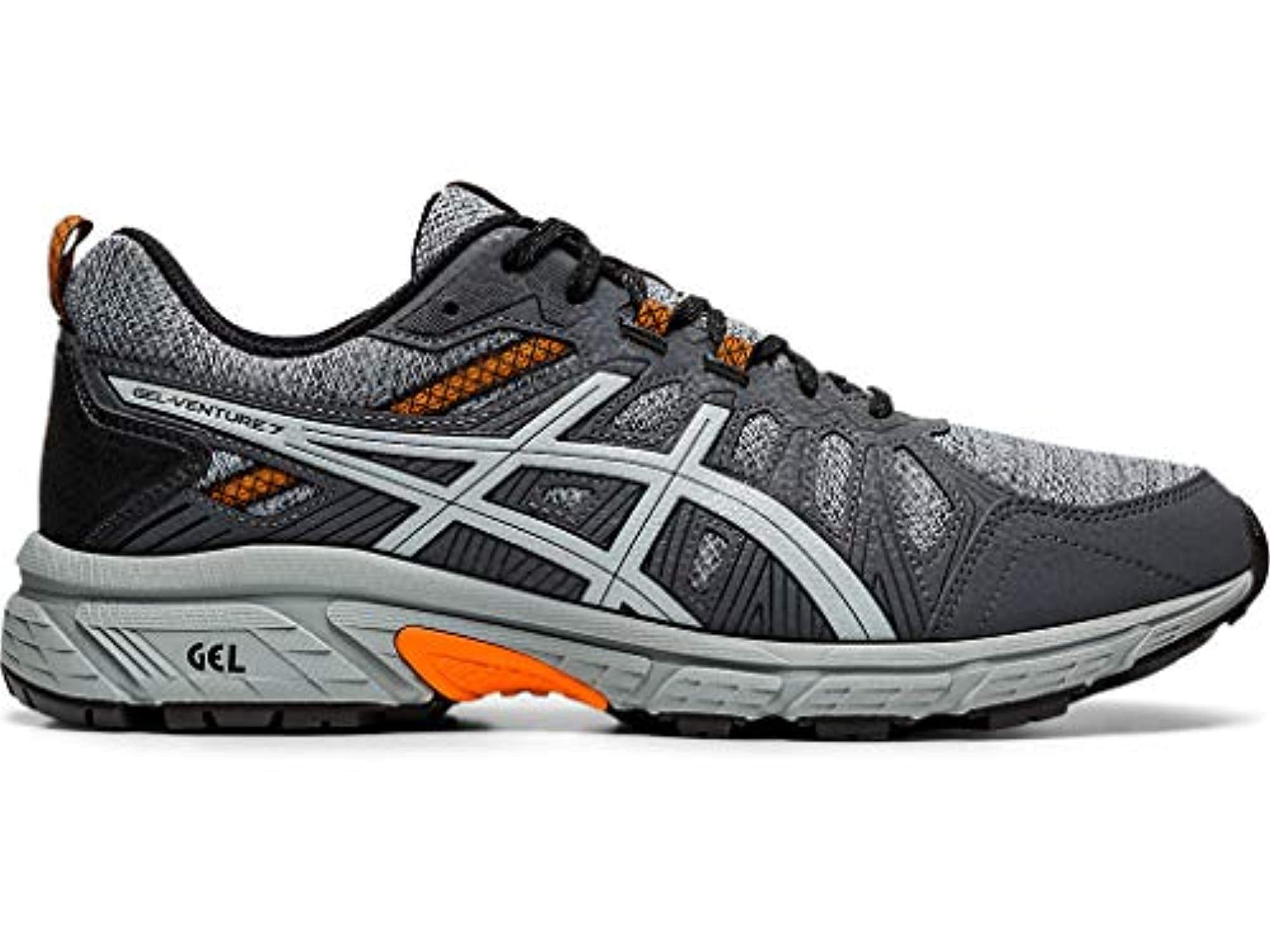
Running shoes balance cushioning, responsiveness, and stability to match your goals. Look at stack height for impact protection and at heel-to-toe drop to influence how your foot lands and transitions. Lower drops can promote a midfoot strike, while moderate drops can ease calf load; choose what feels natural. Consider foam density and rebound for tempo runs versus plush comfort for long mileage. A subtle rocker geometry can smooth transitions, and light guidance rails can keep you aligned without feeling intrusive. Check outsole rubber coverage where you strike for durability, and weigh upper breathability against structure; a well-designed lace system and gusseted tongue improve lockdown. If you rotate pairs, use a lighter, snappier model for speed days and a more cushioned trainer for recovery. Above all, prioritize comfort under load—try jogging in place and doing a few strides to ensure the midsole, fit, and flex grooves match your running style.
Shoes for the Gym and Cross-Training
For strength sessions, HIIT, and classes, prioritize stability, traction, and multi-directional support. A lower stack height and firmer midsole improve ground feel for squats and deadlifts, reducing wobble under heavy loads. Look for a wide heel base, minimal heel compression, and a grippy outsole that holds on rubberized floors. For agility drills, box jumps, and sled pushes, you'll want forefoot flexibility and responsive cushioning that doesn't feel mushy. Lateral work demands sidewall reinforcement and secure midfoot lockdown to resist roll-over during quick cuts. A durable toe cap helps with burpees and push-ups, while a slightly raised sidewall or abrasion-resistant panel can aid with rope work. If you split time between lifting and cardio machines, a versatile cross-trainer blends stability with enough cushioning for short runs. Test lunges, lateral shuffles, and overhead presses to ensure the shoe stays planted, the heel counter grips, and your toes can splay naturally without sliding.
Court Sports Demand Lateral Support
Basketball, tennis, and similar court sports require lateral stability, precise traction, and secure lockdown for explosive cuts and stops. Seek an outsole with a reliable herringbone or multidirectional pattern for grip during pivots and quick recoveries. A firm heel cup, sturdy midfoot shank, and slightly flared outrigger help prevent ankle roll when changing direction. Consider collar height based on preference: lower for freedom, mid or higher for a touch more perceived support. Tennis and pickleball benefit from reinforced toe drag zones and durable sidewalls for shuffles, while basketball players may value forefoot cushioning for landings and a responsive platform for takeoffs. Look for a snug lace setup and tongue that won't migrate, ensuring consistent fit through long rallies or full-court play. On indoor courts, prioritize traction and non-marking rubber; for outdoor surfaces, harder compounds increase durability. Try split-steps, defensive slides, and jump stops to confirm stable landings and confident push-offs.
Trail and Outdoor Readiness
Off-road adventures demand traction, protection, and weather-aware breathability. Choose lug depth to match terrain: shallow for hardpack, deeper for mud and loose gravel. A rock plate shields your forefoot from sharp stones, while a protective toe bumper saves you from stubs. Grippy rubber compounds excel on wet roots and slick rock; look for patterns that shed debris. Decide between waterproof membranes for wet climates and open mesh for hot, dry routes where drainage and ventilation matter. A stable platform with moderate torsional rigidity helps on cambered trails, and a secure heel counter prevents slipping on descents. For fast hiking or light backpacking, low-cut trail runners offer agility; for heavier loads or technical routes, consider more ankle coverage and a supportive shank. Test on inclines: uphill for forefoot flex and downhill for braking traction and toe room. The right balance keeps you confident and comfortable across varied outdoor conditions.
Dialing In Fit, Sizing, and Comfort
Proper fit underpins performance and injury prevention. Aim for a thumb's width of space in the toe box to accommodate swelling, especially for runs or long sessions. Try shoes later in the day, wear your typical socks, and bring any orthotics or insoles you use. Evaluate width options if you feel pressure along the forefoot or outer edges. Check for light heel hold without heel slip; a runner's loop or alternative lacing techniques can improve lockdown. Ensure the upper doesn't pinch your instep and that your toes can splay for balance. Walk, jog, and perform a few sport-specific moves—lunges, cuts, hops—to confirm comfort in motion. Break in gradually to let materials and your feet adapt, and monitor any hot spots; a small fit tweak or lace adjustment often solves friction. Remember, comfort that lasts through your full workout is a stronger indicator than how the shoe feels for the first minute.
Smart Buying, Care, and Longevity
Make informed choices that balance budget, performance, and sustainability. Try multiple last shapes because different brands mold shoes differently; the right shape can outperform extra tech. Take advantage of generous return policies to test in real sessions on clean surfaces. Consider rotating pairs to vary loading patterns, enhance recovery, and extend lifespan. Clean outsoles to maintain traction, air-dry shoes away from direct heat, and remove insoles to reduce odor and moisture buildup. Track your training and watch for midsole compression, uneven outsole wear, or a flattened feel—signs it's time to replace. If durability is a priority, choose reinforced high-wear zones; if speed is key, favor lighter foam and accept shorter lifespan. Look for recycled materials, repair options, or take-back programs to reduce waste. Above all, prioritize comfort and function for your specific activity—your shoes should help you move confidently, protect your body, and support consistent progress in sports and fitness.