Breathtaking Hikes for Beginners and Beyond
Discover stunning trails for first-time hikers and seasoned trekkers alike, with easy-to-moderate routes, essential tips, and inspiring scenery.
Gentle Paths, Big Views
Even your first hiking day can deliver breathtaking scenery if you choose gentle trails designed for beginners. Look for routes with modest elevation gain, well marked trailheads, and surfaces like compacted gravel or boardwalk sections that make footing straightforward. Visitor centers and local tourism offices can point you to loop or out and back options that showcase waterfalls, wildflowers, or panoramic overlooks without demanding fitness tests. Aim to start early to enjoy calmer paths and softer light, and build in unhurried pauses for photos and snacks. Comfortable footwear, a light daypack, and a simple wayfinding plan are usually enough for these starter outings. Treat the hike as a moving tour: read interpretive signs, listen for birds, and practice noticing changes in the landscape with each bend. By closing the loop feeling energized rather than exhausted, you create a positive association that encourages the next adventure and lays a solid foundation for exploring more ambitious terrain.
Stepping Up the Challenge
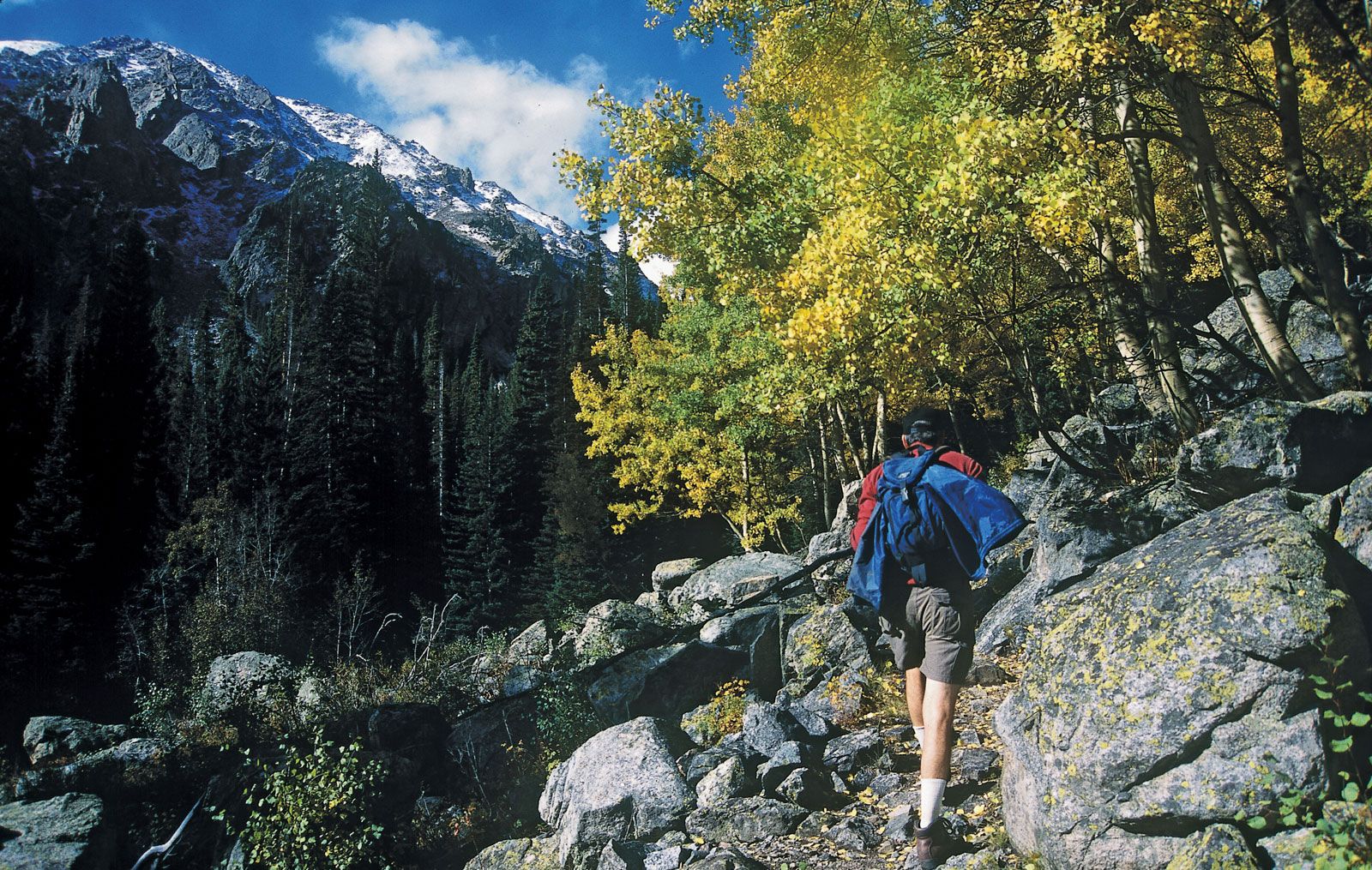
When you are ready to progress, choose moderate routes that introduce longer distances, steeper switchbacks, or varied terrain while still offering clear navigation. Study the trail grade and total elevation gain so you can pace yourself and set realistic turnaround times. Trekking poles improve balance on uneven surfaces, and structured pacing—such as timed breath-to-step rhythms—helps you settle into a sustainable cadence. Expect rewards like alpine lakes mirrored by peaks, high ridges with sweeping horizons, or coastal bluffs where sea and sky meet. Train your eyes to read the path: note water bars, rock staircases, and the way trails contour along a slope. Snack consistently to avoid energy dips, and practice micro breaks that keep muscles warm. Moderate hikes are an ideal classroom for refining foot placement, testing layers in changing winds, and learning how small adjustments to stride and hydration can make big differences in comfort and confidence.
Plan Like a Pro
Memorable hiking days often begin with thoughtful preparation. Review a topographic map, download offline maps for redundancy, and check route reports for recent conditions. If a permit is required, secure it in advance, then verify weather windows and daylight to match your itinerary. Pack the Ten Essentials scaled to your route: navigation tools, sun protection, insulation, illumination, first aid, fire starter, repair kit, nutrition, hydration, and emergency shelter. Add personal touches such as electrolytes, blister care, and a compact headlamp even for daytime outings. Decide on checkpoints and share your plan with a trusted contact, including start time, route, and expected return. On the trail, practice small habits that pay off: track sip intervals, adjust layers before you sweat, and pause to recalibrate if signage or terrain feels off. Professional level planning is not about fear; it is about stacking the odds in favor of comfort, clarity, and the freedom to fully enjoy the views.
Hikes for Every Age and Ability
Exploration should be welcoming to all. Seek kid friendly paths with engaging landmarks every half mile, like bridges, boulders, or overlooks that function as motivational milestones. Create simple nature scavenger prompts—colors, textures, or bird calls—to keep younger hikers curious and moving. For mixed ability groups, prioritize accessible trails with gentle grades, wide tread, and rest spots; many parks publish details on surface type and slope so you can plan accordingly. Older adventurers and first timers often appreciate steady snack breaks, adjustable trekking poles, and clear turnaround times that remove pressure. Foster teamwork by rotating leadership at junctions and inviting each person to share observations. Celebrate small wins—completing a loop without fatigue, mastering a stream crossing, or spotting a new wildflower. The goal is not distance but delight. When everyone feels included and supported, hiking becomes a shared tradition that strengthens relationships while showcasing nature's generous scenery.
Savor the Scenery and Capture the Moment
Hiking is as much about presence as it is about peaks. Slow your stride at scenic points to soak in soundscapes and changing light; mindful walking can amplify the sense of wonder and reduce fatigue. If you love photography, arrive during golden light when shadows soften and colors deepen. Compose with the rule of thirds, anchor a foreground like flowers or stones, and keep horizons level. Remember safety margins: avoid edging too close to drops for a shot and keep gear secured when winds pick up. Observe wildlife etiquette by giving animals space, minimizing noise, and stowing food promptly. Consider carrying a lightweight sit pad to linger comfortably on overlooks while sketching, journaling, or simply breathing in the view. The best images and memories often come from patience—waiting as clouds part, watching ripples settle on a lake, or noticing how a trail curve reveals a new, unexpected angle on a beloved landscape.
From Forests to Fjords: Choosing Your Scenery
The world's trails span an astonishing range of environments, and matching your interests to a landscape keeps trips fresh and inspiring. In deserts, expect wide horizons, sparse shade, and dramatic rock forms; carry extra water and embrace dawn starts to manage heat. In rainforests, lush canopies and mossy singletrack invite quiet exploration, with waterproof layers and gaiters keeping you comfortable. Along coasts and fjords, microclimates shift quickly; be ready for wind, mist, and dazzling light bouncing off water. Mountain routes deliver crisp air and big vertical, where steady layering and steady footing matter. Volcanic zones showcase surreal lava fields and cinder cones that challenge balance but reward with otherworldly textures. Choosing destinations by mood—serene lakes, thunderous surf, or cathedral forests—turns each trip into a purposeful journey. Research seasonal patterns, plan for footwear suited to the surface underfoot, and embrace the unique rhythm each ecosystem offers as you expand your hiking map.
Hike with Heart: Stewardship and Next Steps
Great hiking is a partnership with the places that host our adventures. Practice Leave No Trace by staying on tread, packing out all waste, and respecting quiet zones and habitat restoration areas. Support local communities through off peak travel, overnight stays in small towns, and hiring local guides when you want deeper context. Choose reusable bottles, minimize single use plastics, and step around puddles only if it does not widen the trail; otherwise, stride straight through to protect edges. Learn trail etiquette: yield to uphill hikers, communicate at narrow passes, and keep groups compact to reduce congestion. As your confidence grows, consider hut to hut systems, gentle multi day loops, or guided treks that blend cultural insights with natural beauty. Volunteer for a maintenance day to understand how trails are built and sustained. Hiking with heart ensures the views that take your breath away remain unspoiled for the next traveler rounding the bend.